




















Dubai to launch Glydways network of self-driving pods at cost comparable to Metro
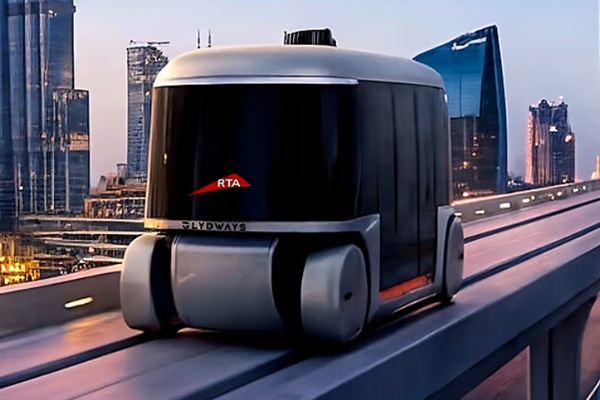
Dubai’s Roads and Transport Authority (RTA) is preparing to launch a new autonomous transit network powered by Glydways, a system of self-driving pods designed to operate on dedicated lanes similar in width to cycle tracks, offering metro-like capacity at a fraction of the cost.
The first rollout is expected to take place later this year as part of a trial phase. Speaking to Gulf News on the sidelines of the World Governments Summit 2026, Mark Seeger, chief executive of Glydways, said the initial deployment will mark a significant step toward transforming urban mobility in Dubai.
“The RTA has already planned four routes, but within the next four months we’ll be launching the first trial route,” Seeger said. He added that the pilot will allow authorities to test operations, passenger experience and system integration before a broader rollout across the city.
According to Seeger, the system combines the efficiency of rail with the flexibility of ride-hailing services, while requiring significantly less infrastructure than traditional metro or tram networks. “You get metro-level performance, but the guideway is much narrower and faster to build,” he said, noting that costs are comparable to — or lower than — conventional metro projects.
Dubai’s adoption of Glydways aligns with its broader strategy to position itself as a global leader in smart mobility and autonomous transport. The RTA has set a target for 25 per cent of all journeys in the city to be autonomous by 2030, with projects ranging from self-driving taxis to autonomous marine transport.
If successful, the Glydways network could play a key role in connecting high-density urban districts, business hubs and residential communities, offering a sustainable and scalable solution to the city’s growing mobility demands.