




















UAE announces new VAT rules from January 2026 to simplifies procedures
Back To Main Page: Economy and Business, UAE News
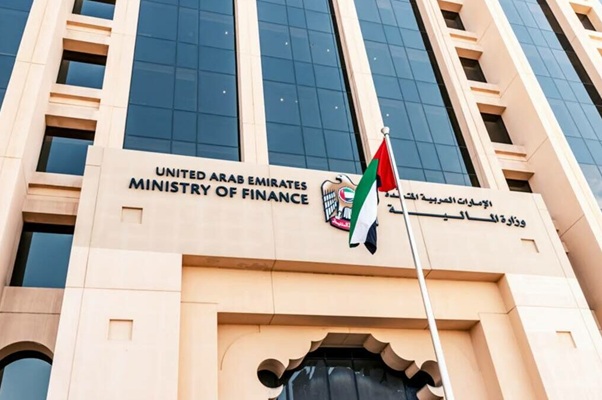
The Ministry of Finance has announced the issuance of Federal Decree-Law No. (16) of 2025 amending certain provisions of Federal Decree-Law No. (8) of 2017 on Value Added Tax, which will enter into force as of January 1, 2026.
The move comes as part of the UAE’s ongoing efforts to develop its tax system and enhance administrative and regulatory efficiency.
The amendments aim to simplify tax procedures for taxpayers while ensuring transparency and compliance with international standards.
The amendments stipulate that taxable persons are relieved from issuing self-invoices when applying the reverse charge mechanism, while requiring them to retain supporting documents related to supply transactions, as specified by the Executive Regulation.
This not only enhances administrative efficiency but also provides clear audit evidence and reduces procedural burdens.
The amendments also establish a five-year time limit for submitting requests to reclaim any excess refundable tax after reconciliation has taken place.
Once this period has elapsed, the right to reclaim the tax expires, preventing the build-up of old balances, strengthening financial certainty, and promoting fairness among taxpayers, in line with international best practices for regulating refund processes and reviewing balances.
In a further step to combat tax evasion, the amendments authorise the Federal Tax Authority (FTA) to deny the deduction of input tax if it determines that the supply forms part of a tax-evasion arrangement.
Taxpayers are required to verify the legitimacy and integrity of supplies before deducting input tax, in line with the procedures and measures set out by the FTA. This approach reinforces shared responsibility, strengthens governance across the supply chain, and safeguards public revenue.
The Ministry of Finance emphasised that these amendments support the UAE’s ongoing efforts to enhance the tax system, ensure a fair and transparent compliance environment, and promote both financial and administrative efficiency.
These measures further support the sustainability of public resources and bolster the competitiveness of the national economy.