













Eddy Tannous, COO of Rotana: Growing with Agility
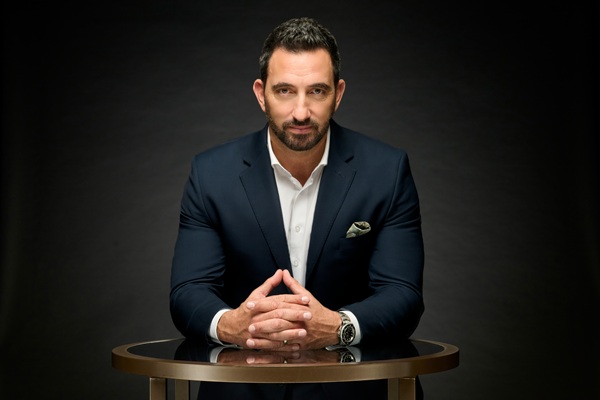
As Rotana continues to expand across the UAE, Saudi Arabia and international markets, the challenge for hotel operators is increasingly about balancing scale with agility. For Eddy Tannous, COO of Rotana, that means giving hotel teams greater authority to respond to guests, while maintaining the standards that define the brand.
With more than 100 hotels operational and in the pipeline across the Middle East, Africa, Eastern Europe and Türkiye, Rotana is continuing to expand its portfolio while navigating a rapidly changing travel landscape. At Arabian Travel Market 2026, Tannous spoke about the importance of agility, diversification and putting people first – from guests to employees – while remaining ready to act when new opportunities emerge.
How can hotel teams be empowered to make faster, on-the-ground decisions while maintaining the consistency and service standards guests expect?
Empowerment starts with clarity. Teams need to understand the brand promise, the standards that cannot be compromised, and the areas where they have the freedom to act. Once those boundaries are clear, decisions can be made closer to the guest rather than waiting for multiple layers of approval.
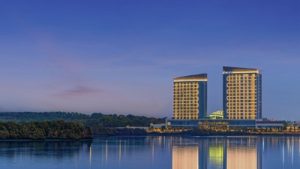
For a hospitality business operating across different markets, local knowledge is equally important. The objective is not to make every property operate in exactly the same way, but to ensure that the essential elements of the guest experience remain consistent while allowing teams to respond to local needs.
What does agility mean for hospitality today, as the world continues to change?
Agility in hospitality is increasingly about relevance rather than simply adding more services. Guests expect hotels to understand their preferences, anticipate their needs and remove friction from the experience.
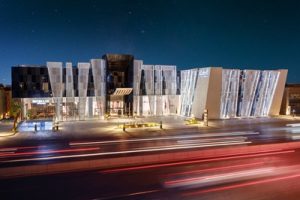
That requires operational agility, but it also requires people who are empowered to make decisions. Technology can support that process, but hospitality ultimately remains a people business.
When the geopolitical situation began, our focus during the first month was on our people. We took care of them, whether they were guests or employees, and made sure they had the support they needed.
We went through a challenging period, but we did not lose a single employee. At the same time, we started thinking about how we could respond to the changing needs of our guests. We reviewed our database of long-staying guests and introduced special arrangements for one- to two-month stays at our hotels for people who did not want to commit to a long-term rental.
For us, agility is not about waiting for the situation to improve. It is about understanding what is happening, protecting our people, listening to our guests and then asking ourselves what we can do to keep the business moving.
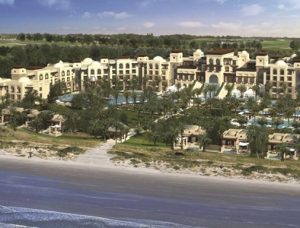
As Rotana continues to expand, how can the business remain agile, responsive and consistent?
Growth requires a strong operating framework, but it also requires the ability to adapt. A successful hotel group needs common systems and standards while allowing individual properties and teams to respond to their markets.
Agility also means listening closely to demand and being prepared to adjust quickly. As recent industry experience has shown, travel patterns can change rapidly, making responsiveness an essential part of hotel management.
How can technology support frontline teams without replacing the human interaction that defines hospitality?
Technology should make employees more effective, not make hospitality less personal. AI and digital tools can help with routine processes, communication, information and operational efficiency, allowing employees to spend more time on interactions that require empathy and personal attention.
The human element remains particularly important when a guest has an unexpected request or when something goes wrong. Those moments cannot simply be automated; they depend on the ability of an experienced hospitality professional to understand the situation and respond appropriately.
Do you see a shift in the meaning of luxury towards slower, more meaningful experiences focused on space, privacy and a stronger sense of place?
Luxury is becoming increasingly individual. For some guests, it means privacy and space; for others, it means authentic experiences, wellness, convenience or a deeper connection with the destination.
Hotels therefore need to understand that luxury is not a single product. It is the ability to create an experience that feels relevant and personal to the individual guest.
How sustainability is changing the way hotels are designed, operated and experienced?
Sustainability is moving from being a separate initiative to becoming part of hotel operations. It influences energy and water consumption, waste management, sourcing, design and the way properties interact with their surrounding communities.
The next stage is making sustainable practices largely seamless for guests. Luxury should not require a compromise in comfort; rather, responsible operations should increasingly become part of what defines a modern luxury experience.
As Rotana grows across different markets, how do you balance operational autonomy and local responsiveness with brand consistency?
The balance comes from distinguishing between what should be consistent and what should remain flexible. Core service standards, brand values and operational principles need to be clearly defined. Within that framework, local teams should have the freedom to adapt to their guests, culture and market.
For us, expansion is not about adding more properties. It is about building an organisation capable of maintaining its identity while continuing to learn and adapt as the markets around it change.