

















Trump, Putin and Xi Summit: Can the World’s Three Major Powers Reshape the Global Order?
Aviamost News – International News and Analysis
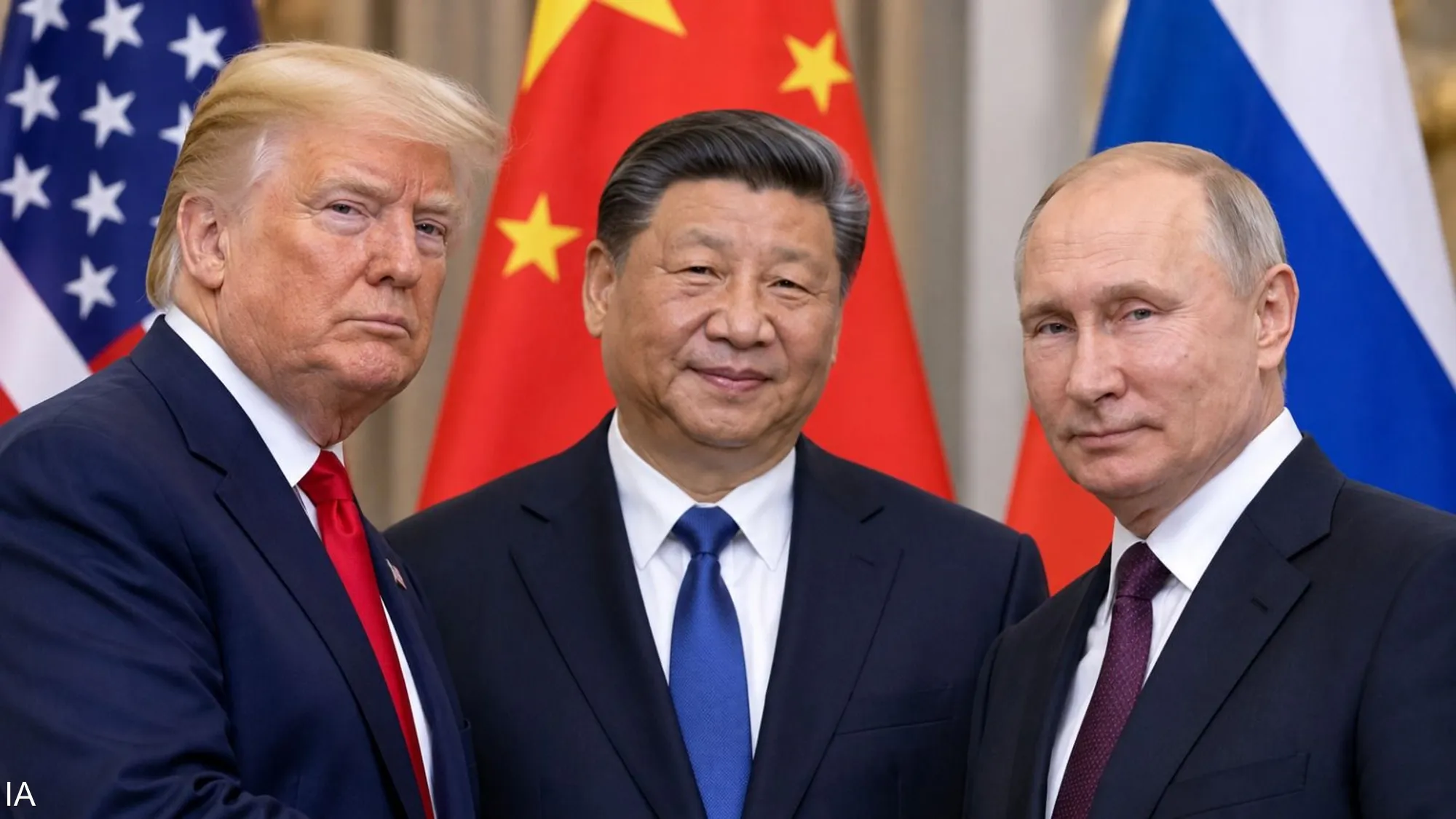
The anticipated trilateral summit bringing together US President Donald Trump, Chinese President Xi Jinping and Russian President Vladimir Putin is drawing international attention as the three leaders prepare to address some of the most pressing challenges shaping global politics and economic stability.
With nuclear security, the war in Ukraine and intensifying technological competition at the centre of discussions, the meeting could provide an important opportunity for diplomatic engagement between the world's leading powers.
However, despite the significance of the gathering, analysts caution that fundamental differences between Washington, Beijing and Moscow may limit the prospects for a major geopolitical breakthrough.
According to political analysts interviewed by Sky News Arabia, the summit could create opportunities for progress on specific economic and trade issues, while broader questions concerning European security and the future international order are likely to remain unresolved.
A New Yalta or a Limited Diplomatic Opening?
The prospect of a meeting between Trump, Putin and Xi has prompted comparisons with historic negotiations between major powers, particularly the 1945 Yalta Conference, which helped shape the post-war international order.
However, Samir Al-Taqi, an expert in American and international affairs, dismissed the suggestion that the upcoming summit could represent a new Yalta.
He argued that strategic competition between the United States and China remains too intense, particularly in advanced semiconductors, rare earth minerals and other technologies considered essential to national security and economic leadership.
In his assessment, Russia stands to gain diplomatically from participating in the summit, while China benefits from hosting a high-profile gathering of global leaders.
For Trump, the challenge will be to demonstrate that the meeting has produced tangible diplomatic or economic results.
Nuclear Arms Control Opens a Potential Path for Dialogue
Nuclear weapons are expected to feature prominently in discussions, offering a possible starting point for renewed engagement between the three powers.
Al-Taqi suggested that introducing nuclear arms control to the agenda could represent an important diplomatic step, even if an agreement to reduce nuclear arsenals remains unlikely in the immediate future.
The considerable differences in the size of the nuclear arsenals maintained by the United States, Russia and China continue to complicate prospects for a comprehensive agreement.
China has previously considered participation in broader nuclear negotiations premature until it achieves a greater degree of strategic balance with Washington.
Chinese journalist and international affairs specialist Zhou Xuan noted that Beijing maintains a policy of not being the first to use nuclear weapons and possesses a significantly smaller arsenal than either the United States or Russia.
He explained that while Washington is prioritising nuclear security, Beijing is particularly interested in establishing a mechanism for communication and coordination among the three powers on the war in Ukraine and the Middle East crisis.
The opening of such discussions would not necessarily signal an imminent agreement, but could help establish channels for managing tensions and reducing the risk of confrontation.
Ukraine Remains a Major Diplomatic Challenge
Despite expectations that the war in Ukraine will feature prominently in the summit, analysts remain cautious about the possibility of an immediate breakthrough.
Al-Taqi argued that the outcome of the US midterm elections could strengthen Washington's support for Europe and Ukraine, limiting Trump's ability to pursue a long-term settlement without broader political backing.
He noted that the US Congress retains the authority to allocate funding, even in circumstances where there is no complete agreement with the president.
These domestic political considerations could narrow Trump's room for manoeuvre in negotiations concerning the future of the conflict.
Any lasting settlement affecting Europe's security architecture would also require the participation of European governments and other directly concerned parties.
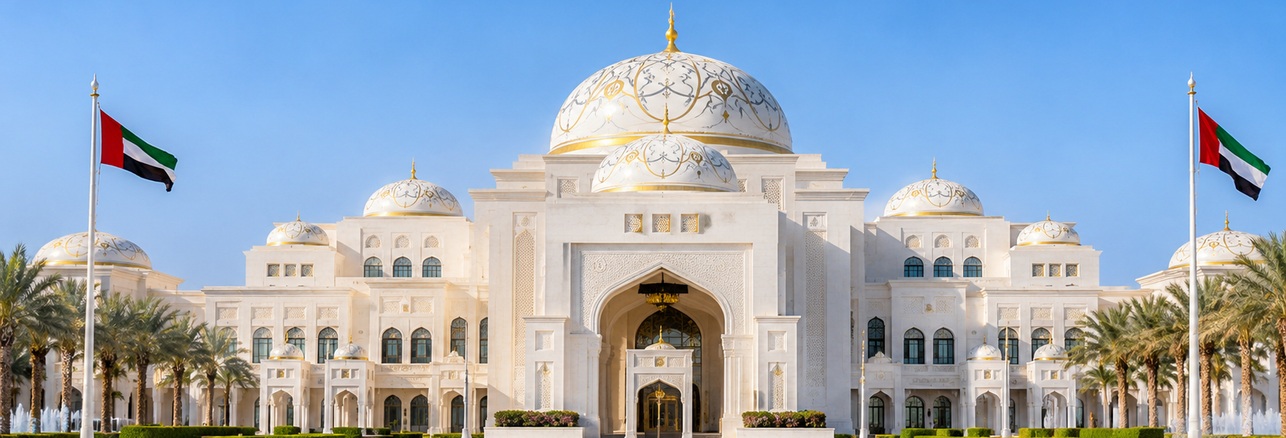
Al-Taqi referred to negotiations previously hosted by the United Arab Emirates as an example of the importance of involving relevant stakeholders in diplomatic efforts.
While Trump may present the summit as a step towards peace, its actual impact on the conflict will depend on the agreements reached and whether they lead to a broader negotiating process involving Ukraine and its European partners.
Trade Offers Greater Prospects for Agreement Than Technology
Economic cooperation may provide the most realistic opportunity for progress during the summit, particularly in relations between Washington and Beijing.
According to Al-Taqi, the United States and China could explore limited arrangements covering semiconductor trade, rare earth minerals and agricultural products, including soybeans.
Tensions surrounding Taiwan may also form part of the discussions.
However, American concerns over the transfer of advanced semiconductor technology to China could complicate negotiations, particularly if Washington decides to introduce further export restrictions.
Al-Taqi warned that insufficient coordination between major powers could increase the risk of indirect geopolitical confrontations developing into direct conflicts.
Zhou Xuan similarly identified tariffs, artificial intelligence and semiconductor competition as major factors contributing to deteriorating economic relations between the United States and China.
Nevertheless, he suggested that trade remains the area where meaningful progress is most achievable.
He pointed to continuing communication between Trump and Xi, as well as areas of understanding reportedly reached during their discussions in September, as indications that both governments retain an interest in improving economic relations.
Stronger cooperation between the world's two largest economies could have significant implications for international markets, global supply chains and investor confidence.
At the same time, Beijing is expected to maintain its strategic partnership with Moscow while pursuing opportunities to stabilise relations with Washington.
China Seeks a Greater Role in Global Diplomacy
For Beijing, hosting the trilateral summit represents an opportunity to reinforce its position as a major diplomatic actor capable of engaging with both Washington and Moscow.
China's approach appears focused on establishing channels of dialogue rather than seeking immediate agreement on every major international dispute.
The meeting could also strengthen Beijing's international standing by demonstrating its ability to bring together leaders whose countries maintain competing strategic interests.
For Russia, participation offers an opportunity to engage directly with the United States and China at a time when the war in Ukraine continues to dominate its international relations.
For Washington, the summit presents an opportunity to test whether diplomatic engagement can deliver practical results without compromising American strategic priorities.
Can the Summit Influence the Future Global Order?
The anticipated meeting comes at a time when international relations are increasingly shaped by competition over technology, economic influence, military capabilities and regional security.
The discussions are unlikely to resolve all the differences separating Washington, Moscow and Beijing.
Nevertheless, even limited progress on nuclear dialogue, trade or mechanisms for managing international crises could carry wider significance.
The central challenge will be translating high-level diplomatic engagement into practical agreements capable of reducing tensions and strengthening international stability.
Ultimately, the summit's significance will not be determined solely by the presence of three influential world leaders, but by whether their discussions produce meaningful outcomes.
As global attention turns to the meeting, the question remains whether Trump, Putin and Xi can move beyond strategic rivalry to establish a framework for cooperation — or whether the gathering will simply underline the divisions shaping the emerging international order.
Editorial note: Adapted from the Sky News Arabia article provided, with analysis attributed to the experts cited in the original report. The summit's arrangements and anticipated outcomes should be independently confirmed before publication.