















Beyond comparison: When symbols are violated
Back To Main Page: UAE News
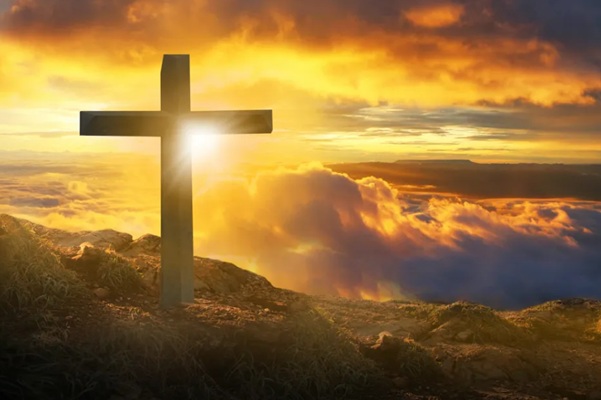
At a moment of heightened political tension, Benjamin Netanyahu made a startling statement, saying, literally, that “Jesus Christ has no advantage over Genghis Khan.”
This is no longer merely a slip of the tongue; it raises a profound ethical question. What kind of political discourse invokes Jesus Christ in the first place?
And who is any politician, whoever they may be, to place a sacred religious figure on a scale of comparison, let alone deny His moral superiority?
For believers, and within the broader human conscience, Christ is not a figure to be measured or compared.
He embodies mercy, unconditional love, and the capacity for forgiveness even at the height of suffering.
By contrast, Genghis Khan, for those unfamiliar, was the founder of the Mongol Empire in the 13th century, associated with some of the most expansive military campaigns in history. These campaigns led to the deaths of millions, the destruction of entire cities, and profound transformations of the world through sheer force and conquest.
To place these two figures in the same sentence, let alone deny the moral distinction between them, is not only a distortion of a sacred symbol, but a confusion of humanity’s moral compass.
This is not merely a religious issue; it touches on the fundamental concepts of good and evil, and the essential difference between mercy and violence, between one who preached love and one whose legacy is marked by bloodshed.
The sensitivity and gravity of this statement are heightened by its timing, as Christians around the world observe the Lenten season and approach Easter, a period defined by reflection, humility, and a return to core values.
Yet what this statement reveals goes beyond the words themselves.
It reflects a mindset in which power becomes the ultimate measure, domination a tool, and history a field for reshaping values to serve immediate political interests.
At the same time, the region is witnessing a dangerous escalation whose consequences extend far beyond geography, reaching into the heart of the global economy.
Tensions threatening critical trade routes, most notably the Strait of Hormuz, raise the risk of energy supply disruptions, rising oil prices, and direct impacts on international markets.
Europe, heavily dependent on the stability of this vital artery, faces a delicate equation, as policies increasingly appear aimed at managing crises by complicating them rather than resolving them, shifting the burden onto others instead of assuming responsibility.
Amid this landscape, a pressing question emerges: Will the world be shaped by provocative comparisons and the violation of sacred symbols, or by respect for the values that uphold human dignity, regardless of identity?
One truth remains both simple and profound: mercy cannot be compared, and history, no matter how it is written, can never rise above the value of human life.
As for symbols, when they are violated, it is not they that are broken, but the masks that fall from those who dared to violate them.
Author: Rita Boustany