











ATM 2026: Redefining the future of global tourism
Arabian Travel Market (ATM) 2026 in Dubai highlighted a fundamental shift in the tourism industry: the next phase of growth will be shaped by more than rising visitor numbers. Business agility, resilience, diversification, evolving definitions of luxury and the ability to respond quickly to changing demand are becoming increasingly important.
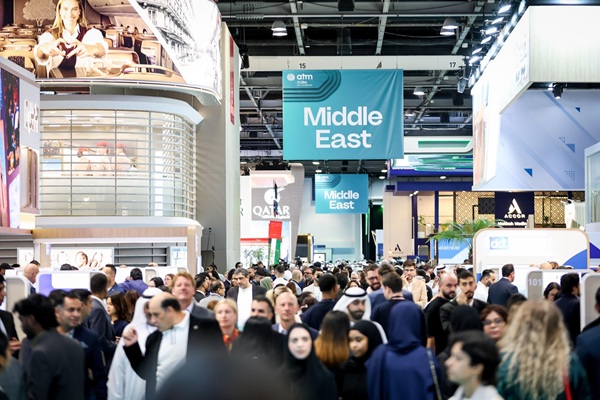
The 33rd edition of Arabian Travel Market, held from 14 to 17 September at Dubai World Trade Centre, was more than an annual gathering of industry professionals. Following several months of regional instability, ATM 2026 became a platform for discussing the new conditions shaping the industry's future.
Representatives from more than 115 countries attended the event, which featured over 55 national and regional pavilions. Tourism authorities, airlines, hotel groups, technology companies, tour operators and other industry stakeholders came together to exchange ideas and explore new business opportunities.
Yet the most significant takeaway was not a return to previous growth patterns, but a shift towards a new development model: the tourism industry must be prepared to adapt quickly while maintaining product quality and a long-term strategic vision.
From recovery to a new growth model
Agility has become one of the defining principles of Dubai's tourism strategy. Issam Kazim, CEO of Dubai Corporation for Tourism and Commerce Marketing, noted that the emirate had navigated another period of uncertainty thanks to a well-established framework for cooperation between the public and private sectors.
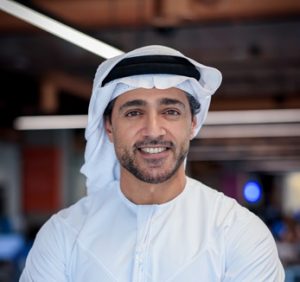
“We have built a tourism ecosystem that is coordinated, agile and globally connected,” Kazim said, emphasising that this model remains central to Dubai's resilience.
At ATM 2026, the effectiveness of this approach was illustrated by operational figures. Emirates carried 8.7 million passengers in July and August, compared with 4.7 million in March and April. The airline had restored approximately 93% of its capacity and 98% of its route network compared with pre-crisis levels.
However, booking windows remain shorter than before, making demand forecasting more challenging for the hospitality sector. Resilience, therefore, is no longer simply about weathering a difficult period. It also means adapting markets, products, sales channels and operations quickly without compromising brand quality.
Abu Dhabi is pursuing another dimension of resilience: continuously broadening its tourism offering. At ATM 2026, the Department of Culture and Tourism – Abu Dhabi presented the Abu Dhabi Islands and Water Sports Guide, bringing together information on more than 200 islands, marine areas, routes and water-based activities.
“Our ancestors were seafarers, and sun, sand and sea have always been central to Abu Dhabi's identity,” said Saleh Al Geziry, Director General of Tourism at the Department of Culture and Tourism – Abu Dhabi. He explained that the new resource would help visitors discover the emirate's maritime heritage safely and responsibly.
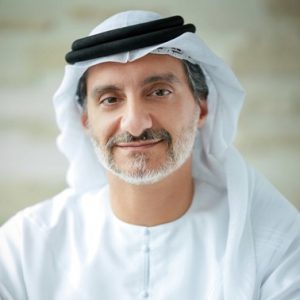
The significance of this approach lies in its broader ambition. Rather than relying solely on established attractions, Abu Dhabi is turning its natural assets, cultural heritage and emerging leisure experiences into additional reasons to visit — and to stay longer.
Visit UAE: Bringing seven emirates together as one journey
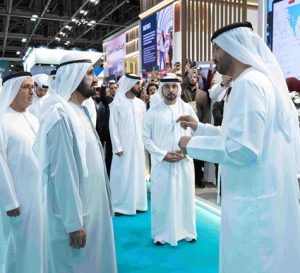
Another notable development at ATM 2026 was the launch of Visit UAE, the country's first unified national tourism identity at the federal level. The initiative aims to position the UAE as one integrated destination, bringing the tourism offerings of all seven emirates under a shared identity while preserving the distinctive character of each.
Alongside Visit UAE, the UAE Grand Tour was introduced as a national tourism product offering itineraries of up to 14 days across all seven emirates.
The strategy represents a shift in how the country is presented to international travellers. Rather than promoting Dubai, Abu Dhabi or Ras Al Khaimah as standalone destinations, the UAE is encouraging visitors to experience the country as one connected journey.
The implications extend beyond marketing. Longer itineraries can translate into additional overnight stays, greater visitor spending across the country and more opportunities to introduce travellers to destinations they might otherwise overlook.
This is where two important trends converge: individual emirates are expanding their own tourism offerings, while federal initiatives are bringing them together within a more coordinated national framework.
Luxury is no longer defined by price alone
Another significant shift concerns the meaning of luxury. Across the UAE, ultra-luxury hotels, resorts, themed hospitality concepts and branded residences continue to expand. Yet competition is increasingly about more than room size, restaurant numbers or nightly rates.
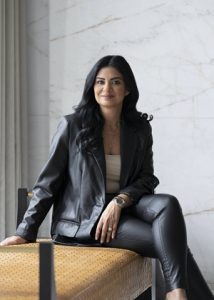
Hanan Issa, Vice President of Marketing and Public Relations at Atlantis Dubai, observed that the term “luxury” is used too broadly today, while one of the most valuable commodities has become time.
“One thing people with high net worth have in common is that they value the quality of their time,” she noted, explaining that contemporary luxury experiences should help guests save time, anticipate their needs and make every moment of their stay feel exceptional.
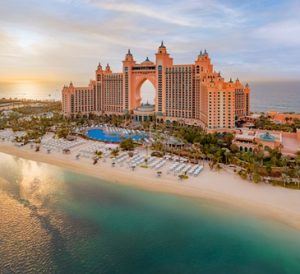
Her perspective reflects a wider transformation in hospitality. Where luxury was once expressed primarily through tangible attributes: premium materials, privacy and personalised service – greater emphasis is now being placed on time, personalisation and distinctive experiences.
Issa also stressed that the company is focused not on resting on its achievements, but on what it can create next.
In her view, resilience is not a static condition; it is the ability to adapt, innovate and move forward. During challenging periods, ambition alone is not enough. Businesses must maintain close relationships with partners and translate their intentions into concrete action.
This philosophy is also reflected in the evolution of Atlantis. Its proposition extends beyond accommodation to a broader lifestyle platform encompassing fine dining, entertainment, fashion brands, wellness and strategic partnerships.
Yet the changing definition of luxury is not expressed solely through an expanding range of services and experiences within a hotel. Another approach is to make the destination itself – its landscape, atmosphere and sense of place – the defining element of the luxury experience.

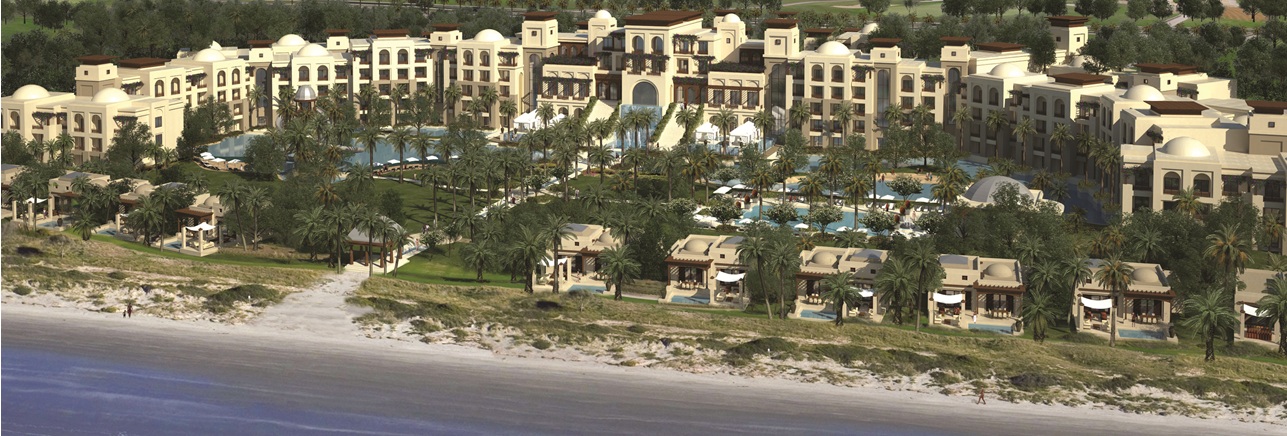
This philosophy underpins Qasr Al Sarab Desert Resort by Anantara. According to the resort's General Manager, Jean-Paul Danthill, contemporary luxury is becoming less about ostentation and more about a destination's uniqueness, privacy and the quality of the experiences it offers.
“The magic of Qasr Al Sarab lies in the fact that the resort does not try to compete with its surroundings. Instead, it becomes part of them. You do not simply arrive at a resort to escape the world; you immerse yourself in a landscape that is rugged, ancient and truly breathtaking.”
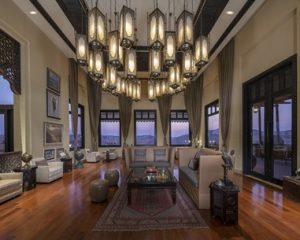
This points to another important transformation in luxury hospitality: a move away from displaying what a property can offer towards creating an experience that cannot be replicated elsewhere. At Qasr Al Sarab, the desert itself becomes an integral part of the product, while service helps preserve a sense of seclusion, tranquillity and authenticity.
Miral: From Tourism Destination to Integrated Experience Ecosystem
One of the major announcements at Arabian Travel Market (ATM) 2026 was Miral’s plan to invest more than AED 12 billion in the development of Yas Island over the next five years.
The investment will support the expansion of the Warner Bros.-themed hotel by 250 rooms, the development of a new lifestyle hotel at Yas Bay and an increase of nearly 35% in the island’s overall hotel capacity. Two new hotels will also be developed around established entertainment brands, although their names have not yet been disclosed.
The programme includes a major expansion of Warner Bros. World Abu Dhabi featuring Harry Potter-themed lands, targeted for completion in 2029, alongside new attractions at Ferrari World Abu Dhabi and further developments across the island’s leisure and entertainment offering.
Miral Group CEO Mohamed Al Zaabi also confirmed that discussions with Disney regarding Disneyland Abu Dhabi are progressing. The project, however, is separate from the newly announced AED 12 billion investment programme.
Miral’s strategy reflects a broader shift in the global tourism market. According to Al Zaabi, Abu Dhabi is competing not only with destinations across the region, but also with established international tourism hubs such as Paris, London, New York and Orlando.
To remain competitive on this global stage, the emirate is developing an integrated ecosystem of experiences that brings together hotels, theme parks, entertainment venues and major events. Rather than relying on individual attractions, the strategy aims to create a destination where visitors can combine multiple experiences within a single trip.
Event-led tourism is an important part of this approach. International events – from Formula 1 at Yas Marina Circuit to sporting competitions and concerts at Etihad Arena – broaden Abu Dhabi’s tourism offering, attract new audiences and create additional reasons to visit.
Rotana: Maximising value beyond room occupancy
Another notable perspective on resilience at ATM 2026 came from Eddy Tannous, Chief Operating Officer of Rotana. He argued that hotel performance should be assessed through a broader lens than room occupancy and average daily rates, with operators seeking additional revenue streams throughout the year and making better use of every asset.
According to Tannous, Rotana’s general managers are encouraged to adopt an entrepreneurial mindset, identifying new ways to generate revenue from hotel spaces and services while responding to changing guest expectations.
This approach is reflected in the group’s expansion plans. At ATM 2026, Rotana highlighted a development pipeline of 40 properties comprising 8,334 rooms, including 10 projects in Saudi Arabia. The company’s growth strategy is therefore about more than geographical expansion: it also focuses on increasing the value generated by each existing and new asset.
Taken together, the announcements and discussions at ATM 2026 point to a more mature phase of tourism development. Competition is shifting away from the sheer number of properties and destinations towards the ability to create diverse, compelling experiences, adapt quickly to demand and bring different elements together into a cohesive product.
In this environment, success will depend less on how much a destination offers and more on how effectively it understands why people travel, what they value and how each day of their journey can deliver a meaningful experience.