


















Abu Dhabi Peace Talks Deliver Breakthrough on Russia-Ukraine Prisoner Exchange
The United States, Russia and Ukraine have reached an agreement on a major humanitarian prisoner exchange following two days of negotiations in the UAE capital, with progress also reported on ceasefire monitoring and future security arrangements.
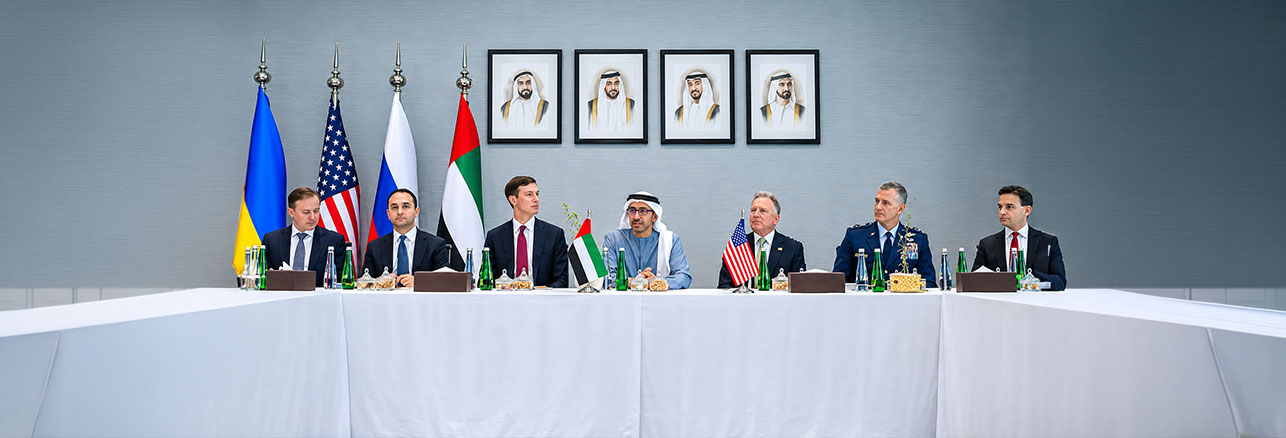
ABU DHABI, November 11, 2026 – A new diplomatic breakthrough has emerged from Abu Dhabi as Russia and Ukraine agreed to a large-scale prisoner exchange following two days of trilateral negotiations mediated by the United States. The discussions also produced progress on practical measures to monitor a potential ceasefire and establish mechanisms aimed at preventing renewed hostilities.
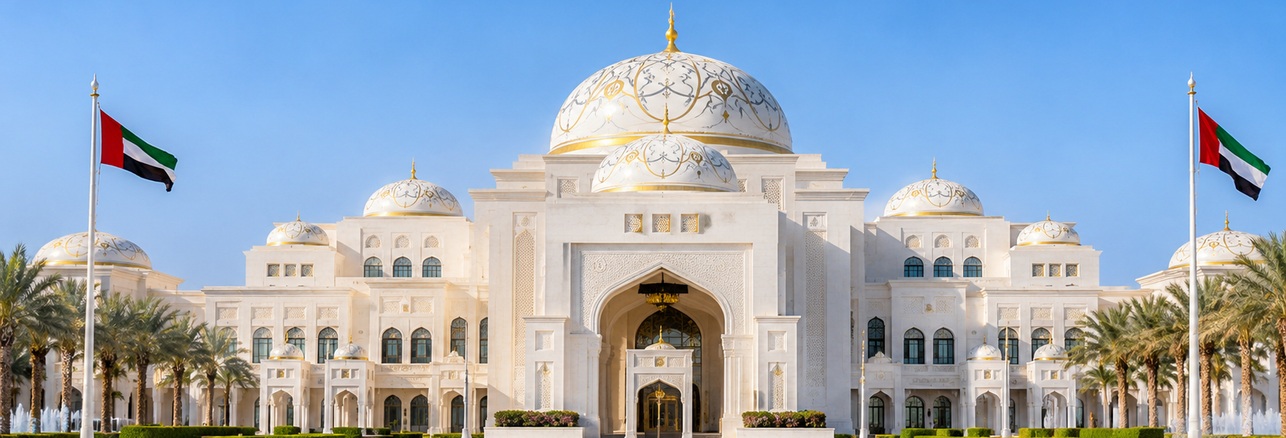
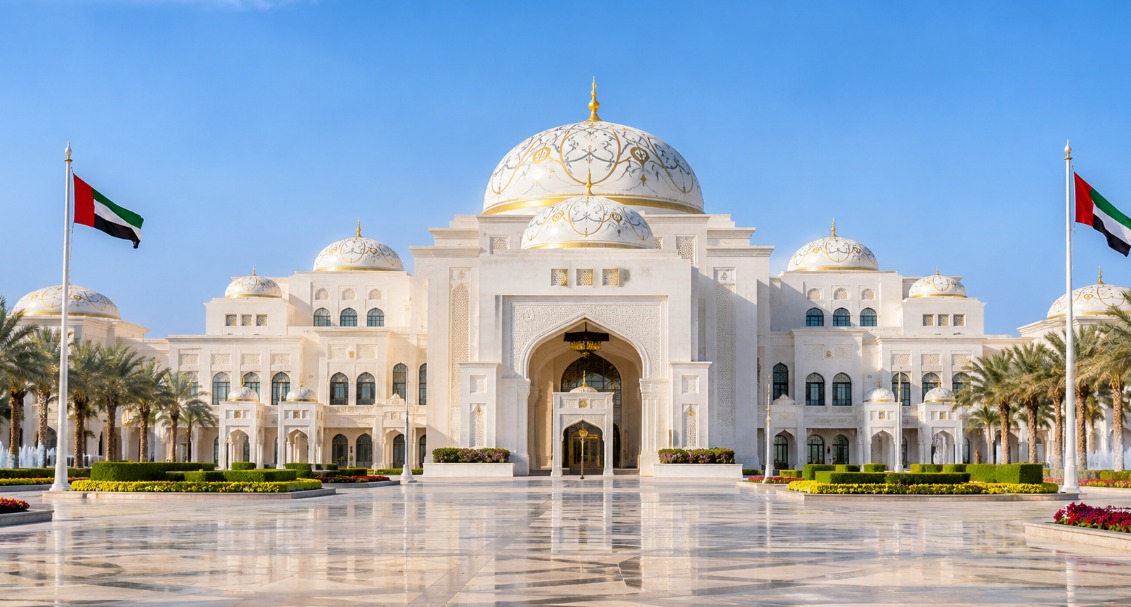
The talks, hosted by the United Arab Emirates, marked the third round of negotiations held in the capital this year and brought together senior representatives from Washington, Moscow and Kyiv in renewed efforts to advance a political settlement to the prolonged conflict.
US envoy Jared Kushner described the meetings as challenging but productive, confirming that the parties had reached an understanding on what could become one of the largest humanitarian prisoner exchanges since the beginning of the war.
“This was a good first step. One of the positives is we agreed we’ll have the biggest humanitarian release of prisoners and we’ll finalise the numbers tomorrow,” Kushner said following the discussions.
He added that progress had been achieved in identifying mechanisms to reduce the risk of renewed confrontation and monitor compliance with a possible ceasefire agreement.
The announcement represents a significant development in the diplomatic process, although the final terms and scale of the prisoner exchange have yet to be confirmed.
Progress Towards a Ceasefire Framework
Beyond the humanitarian agreement, the Abu Dhabi negotiations addressed practical aspects of a potential ceasefire, including monitoring arrangements, conflict prevention measures and future security guarantees.
Kushner highlighted the progress made in developing a clearer understanding of the mechanisms required to support de-escalation and maintain stability following any eventual agreement.
The American envoy noted that bringing all three parties back to the negotiating table had required sustained diplomatic engagement.
Earlier consultations between American, Ukrainian and European representatives in Oslo on October 20, followed by discussions between US and Russian officials in St Petersburg the following day, helped prepare the ground for the renewed trilateral format.
The Abu Dhabi meetings followed approximately two months of separate contacts with Russian and Ukrainian leaders, during which mediators sought to identify possible areas of agreement and narrow the differences between the parties.
US Secretary of State Marco Rubio also welcomed the developments, describing the negotiations as highly productive.
Moscow Confirms Agreement and Acknowledges UAE's Diplomatic Role
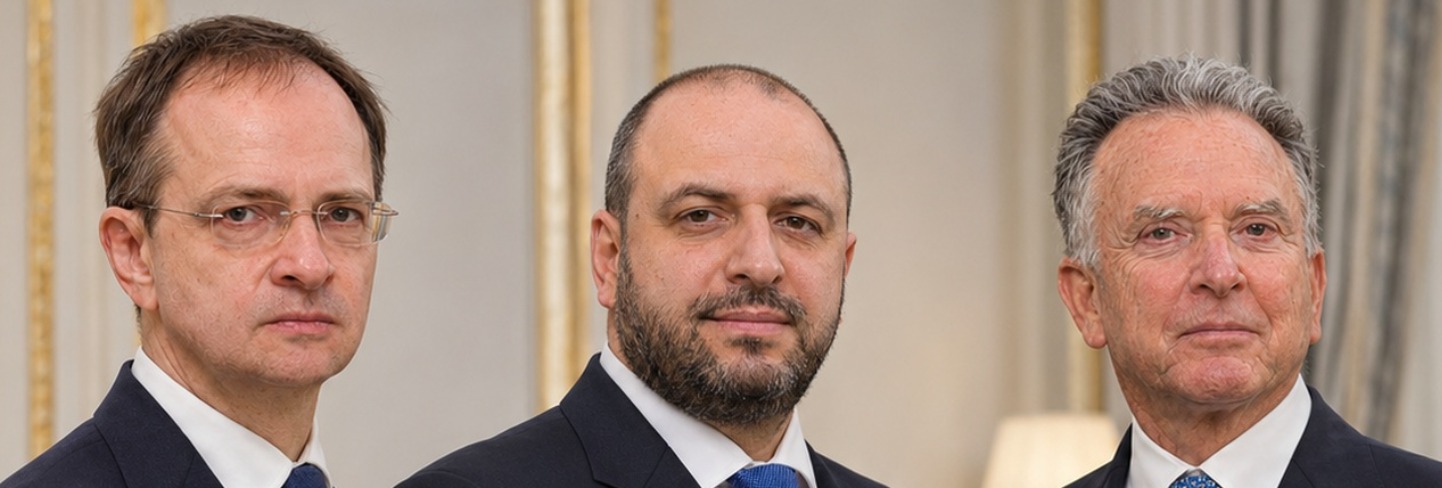
Russian negotiator Vladimir Medinsky confirmed that an agreement on a large-scale prisoner exchange had been reached during the meetings.
He also expressed appreciation for the UAE's role in hosting the discussions, highlighting the constructive and welcoming environment provided by the Emirati capital.
The acknowledgment reflects the importance of Abu Dhabi as a diplomatic platform capable of facilitating communication between parties whose political and strategic positions remain deeply divided.
While the agreement on prisoner exchanges offers a tangible humanitarian outcome, broader negotiations concerning territorial issues, security guarantees and the conditions for ending the war remain unresolved.
Washington Seeks Broader International Participation
Following the conclusion of the talks, Kushner announced that he and fellow US envoy Steve Witkoff would travel to Moscow on Thursday, November 12, for discussions with Russian President Vladimir Putin.
The meeting is expected to review the progress achieved in Abu Dhabi and explore opportunities for further agreement, particularly on humanitarian measures and unresolved security issues.
The American representatives are then expected to meet Ukrainian President Volodymyr Zelenskyy to brief him on the negotiations and discuss proposals raised during the talks.
A key objective of the next phase will be to explore the possibility of expanding the diplomatic framework to include European representatives.
Kushner indicated that discussions had already taken place with officials from the European Union, NATO, the United Kingdom, France, Germany and Italy, with Washington seeking to develop a broader multilateral approach.
Such an arrangement could allow European governments to participate more directly in discussions concerning post-war security and the future stability of the continent.
Moscow, however, has expressed reservations about European involvement in the formal negotiating process.
Medinsky questioned the status of European representatives participating in parallel consultations, underscoring the differences that remain over the structure and scope of future negotiations.
UAE Reaffirms Commitment to Diplomatic Solutions
The United Arab Emirates has welcomed the renewed diplomatic engagement, expressing hope that the negotiations will create opportunities for meaningful progress towards ending the conflict.
His Highness Sheikh Abdullah bin Zayed Al Nahyan, Deputy Prime Minister and Minister of Foreign Affairs of the UAE, previously welcomed the decision to hold the discussions in Abu Dhabi and expressed hope that they would lead to practical steps towards peace.
The UAE's continued role in hosting negotiations reflects its commitment to supporting dialogue and facilitating diplomatic engagement between international partners.
Dr Anwar Gargash, Diplomatic Adviser to UAE President His Highness Sheikh Mohamed bin Zayed Al Nahyan, emphasised that Abu Dhabi's hosting of the trilateral discussions reflects the country's international standing and constructive approach to bridging differences.
In a statement published on X, Gargash expressed optimism that the meetings could contribute to a positive breakthrough and help create the conditions necessary to bring the prolonged conflict to an end.
He reaffirmed the UAE's belief that political and diplomatic solutions remain essential to achieving sustainable peace and strengthening international security and stability.
The latest negotiations further highlight Abu Dhabi's role as a venue for high-level diplomatic engagement at a time when maintaining channels of communication remains particularly important.
Diplomatic Progress Amid Continuing Military Operations
Despite the positive developments in Abu Dhabi, military operations have continued in Ukraine, illustrating the challenges facing efforts to achieve a lasting settlement.
On Wednesday, Ukrainian officials reported Russian strikes targeting six major electricity substations across four central regions of the country.
Attacks were also reported against railway infrastructure in eastern and central Ukraine, adding pressure to the country's transport and energy networks.
The continuation of hostilities during the negotiations underscores the gap that remains between diplomatic progress and the establishment of a comprehensive ceasefire.
Nevertheless, the agreement on prisoner exchanges represents a potentially important humanitarian achievement and provides an early indication that direct negotiations can produce practical results.
A New Opening for International Diplomacy
The outcome of the Abu Dhabi meetings suggests that the diplomatic process has entered a new phase, with the parties moving beyond initial discussions towards identifying concrete measures that could support de-escalation.
Although significant political and territorial disagreements remain, progress on humanitarian issues and ceasefire monitoring may help establish a foundation for further negotiations.
The planned consultations in Moscow and subsequent discussions with Ukraine's leadership are expected to provide an indication of whether the momentum generated in Abu Dhabi can be sustained.
For the United Arab Emirates, the latest developments reinforce its position as a constructive diplomatic partner and a platform for international dialogue.
As the international community continues to seek a viable path towards ending the war, Abu Dhabi has once again demonstrated the importance of diplomacy in creating opportunities for progress, even amid deeply entrenched disagreements.
The coming days will be crucial in determining whether the humanitarian breakthrough achieved in the UAE capital can develop into broader political understandings and contribute to a lasting settlement.
Prepared and edited by AVIAMOST – International Media Monitoring