





















China Urges US to Implement $60 Billion Reciprocal Tariff Reduction Agreement
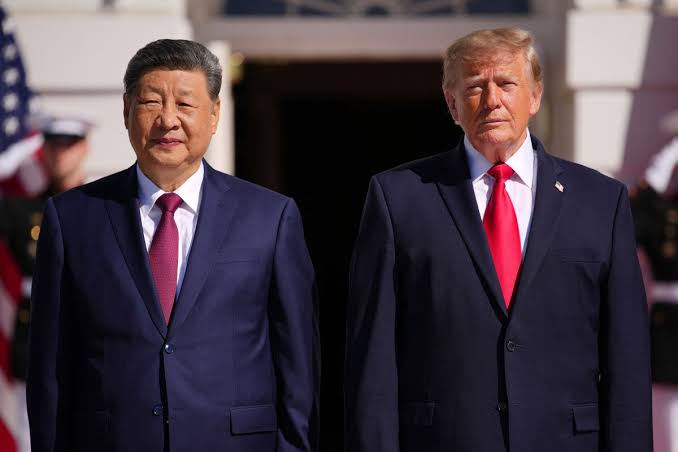
BEIJING, November 12, 2026 – China has urged the United States to accelerate the implementation of a $60 billion reciprocal tariff reduction agreement, as both countries seek to improve trade relations, remove barriers to market access and create more favourable conditions for agricultural trade.
Speaking at a press conference on Thursday, He Yadong, spokesperson for China's Ministry of Commerce, expressed Beijing's hope that Washington would cooperate in bringing the agreement into effect as soon as possible.
He confirmed that the two sides remain in close communication regarding the necessary procedures to implement the tariff reductions, underscoring China's commitment to advancing the bilateral trade arrangements.
The agreement forms part of broader efforts by Beijing and Washington to stabilise economic relations and support commercial cooperation following prolonged trade tensions.
Reciprocal Tariff Reductions Across Key Industries
Under the proposed agreement, the United States and China would each implement tariff reductions covering approximately $30 billion worth of imports, bringing the combined value of products included in the arrangement to around $60 billion.
The United States is expected to reduce tariffs on a range of Chinese goods, including toys, household appliances, children's products, and kitchen and bathroom accessories.
In return, China would lower import duties on several categories of American products, including agricultural commodities, medical equipment, personal care products and coal.
The tariff reductions are intended to take effect simultaneously once both countries complete the required domestic legal and regulatory procedures.
China's Ministry of Commerce has previously indicated that Beijing is prepared to increase its purchases of American agricultural products, provided that the agreed reciprocal tariff arrangements are implemented.
The proposed measures are expected to facilitate trade flows and improve market conditions for businesses and exporters in both countries.
Agricultural Trade Remains a Key Priority
Agricultural products continue to occupy a central position in trade negotiations between the United States and China, reflecting their economic importance to both markets.
Beijing previously committed to purchasing $17 billion worth of American agricultural products annually beginning in 2026, alongside separate commitments related to soybean imports.
According to data cited by Reuters, China purchased approximately $7.2 billion worth of US agricultural products, excluding soybeans, during the first nine months of the year, from January to September.
The figures highlight the importance of reducing trade barriers to support further growth in agricultural imports and strengthen commercial exchanges between the two countries.
For American agricultural exporters, improved access to the Chinese market could provide additional opportunities, while Chinese importers would benefit from more predictable trade arrangements and reduced tariff costs.
Beijing and Washington Seek Greater Trade Stability
The latest developments come amid continued efforts by the United States and China to consolidate their trade understanding and prevent renewed commercial tensions.
Although significant differences remain over market access, trade barriers and wider economic policies, the proposed tariff reductions represent an opportunity to advance cooperation in sectors where the two economies share commercial interests.
The implementation of the agreement would mark another step towards creating a more stable trading environment, supporting businesses and improving the movement of goods between the two markets.
For the wider global economy, progress in US-China trade relations remains particularly significant, given the central role both countries play in international supply chains, manufacturing, agriculture and consumer markets.
As negotiations continue, attention is now focused on whether Beijing and Washington can complete the necessary procedures and bring the reciprocal tariff reductions into effect.
The outcome will provide an important indication of the two countries' ability to translate diplomatic and commercial commitments into practical measures that support more predictable and balanced economic relations.