



















Trump and US Officials Rule Out Cyberattack Behind Wave of Technical Disruptions
AVIAMOST News – International News and Analysis
The White House dismisses fears of a coordinated cyberattack following a series ofmajor technical failures affecting US aviation, banking, technology services and national security systems.
US President Donald Trump has downplayed concerns over a series of technical disruptions that have affected several critical sectors across the United States in recent days, insisting that the situation remains under control despite growing questions about the potential causes of the incidents.
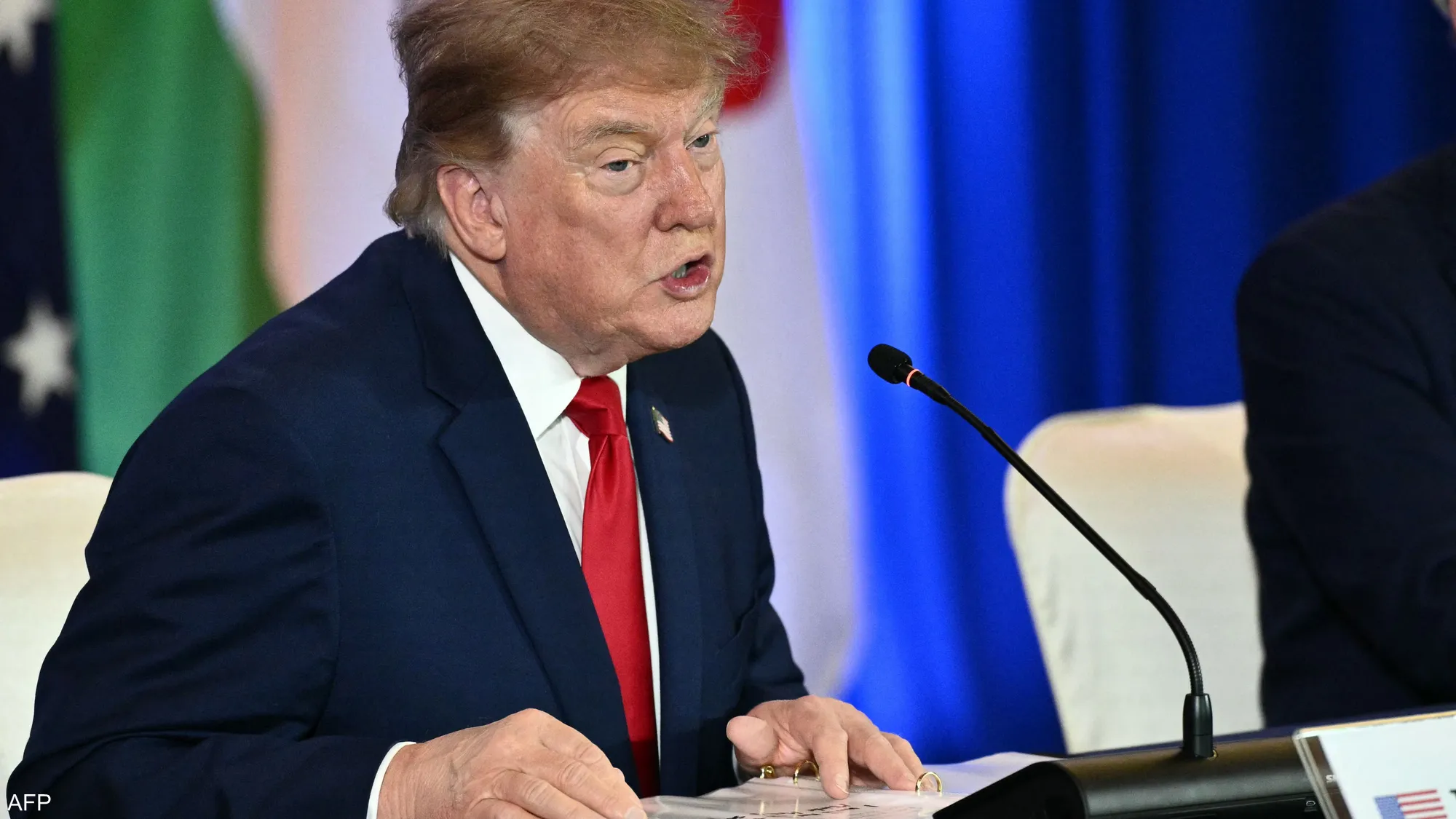
Speaking to reporters in Manila on Tuesday, where he was attending a regional summit, Trump sought to reassure the public, suggesting that occasional technical failures were inevitable in a country with extensive technological infrastructure and economic power.
Senior US administration officials also moved swiftly to dismiss speculation that the disruptions could be linked to coordinated cyberattacks or hostile foreign activities.
In an interview with Fox News, National Intelligence Director Jay Clayton stated that US intelligence agencies had found no indications of a coordinated cyberattack or evidence suggesting the involvement of a foreign government.
White House spokesperson Lauren Peace echoed these assurances during an interview with Newsmax, emphasizing that investigators had uncovered no conclusive evidence connecting the incidents to malicious cyber activity.
She further stressed that the administration did not consider the disruptions part of a broader national crisis and that Americans had no immediate reason for alarm.
A Series of Disruptions Across Critical Sectors
The statements followed a succession of technical failures that disrupted essential services across the United States, raising concerns about the resilience of the country's technological infrastructure.
According to information reported by CNN, one of the most significant incidents occurred on Friday, when a major air traffic control system failure resulted in a nationwide suspension of flights lasting approximately four and a half hours.
The disruption affected the travel plans of hundreds of thousands of passengers and represented the longest nationwide aviation shutdown since the September 11, 2001, terrorist attacks.
The aviation incident was followed by reports of additional technical problems affecting other critical systems.
On Tuesday, a highly classified communications network used internally by the US National Security Agency reportedly experienced an outage, raising further questions about the reliability of sensitive government infrastructure.
Earlier, on Thursday, Microsoft services suffered a widespread disruption that affected email communications and other digital operations.
Meanwhile, United Airlines experienced a separate technical malfunction on Monday, resulting in delays to approximately 150 flights.
On the same day, JPMorgan Chase reported technical difficulties that temporarily interrupted certain banking services.
Although officials have maintained that the incidents were unrelated, their close succession has prompted renewed scrutiny of the technological systems supporting major American institutions.
Republican Lawmakers Demand Further Investigation
Despite assurances from the White House, several Republican lawmakers have expressed concern over the unusual concentration of technical failures and called for more detailed explanations from the administration.
Republican Senator Josh Hawley of Missouri questioned whether the incidents could reasonably be regarded as coincidental, describing the sequence of disruptions as extraordinary.
His remarks reflected growing demands in Washington for greater transparency regarding the causes of the failures and the measures being taken to prevent similar incidents.
While the administration has rejected suggestions of a coordinated cyberattack, lawmakers are seeking further briefings to establish whether the disruptions reveal vulnerabilities in critical national infrastructure.
White House Calls for Modernisation of Aviation Systems
In response to the aviation disruption, the White House confirmed that President Trump had established teams of technical experts to address the challenges facing the Federal Aviation Administration (FAA).
The administration has also urged Republican and Democratic lawmakers to support legislation providing additional funding for the modernisation of the agency's ageing technological infrastructure.
Officials maintain that upgrading essential systems is necessary to strengthen operational reliability, improve aviation safety and reduce the risk of future nationwide disruptions.
The recent incidents have nevertheless brought renewed attention to the growing dependence of government agencies, financial institutions and transportation networks on complex digital systems.
Although US authorities continue to rule out evidence of a coordinated cyberattack, the disruptions have highlighted the importance of technological resilience, infrastructure investment and effective crisis management in an increasingly interconnected economy.
For now, the White House maintains that the situation is under control, while investigations into the individual incidents and efforts to strengthen critical systems continue.