
















How China Uses International Summits to Expand Its Global Influence
China is increasingly leveraging its role as host of international summits and multilateral meetings to strengthen its global influence and expand ties with major powers and developing nations. President Xi Jinping is seeking to position Beijing as a diplomatic mediator and a key hub for international dialogue.
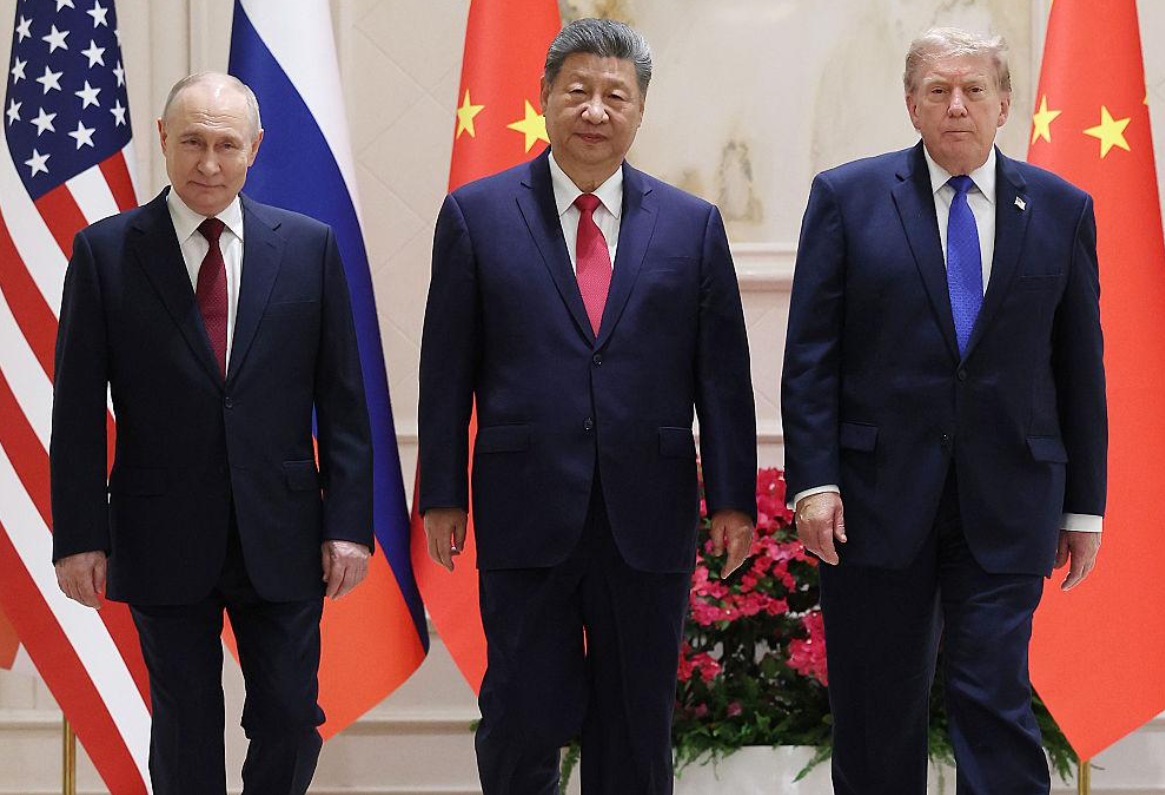
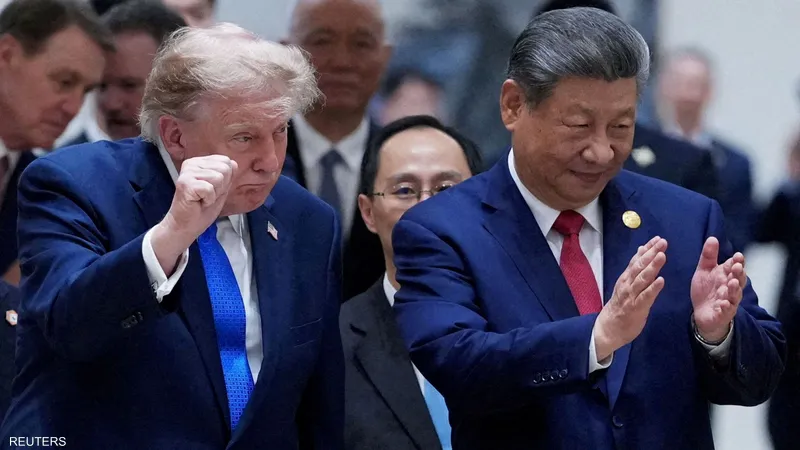
For the second consecutive year, Xi has brought Russian President Vladimir Putin together with another prominent world leader on Chinese soil. US President Donald Trump held a trilateral meeting with Xi and Putin on Thursday, following an encounter between the three leaders on Wednesday evening during a welcome banquet at the Asia-Pacific Economic Cooperation (APEC) summit in Shenzhen, according to a report by CNBC.
The gathering marked the first direct meeting involving all three leaders.
International Summits as a Tool of Influence
In September 2025, Xi and Putin appeared alongside Indian Prime Minister Narendra Modi in a show of diplomatic cordiality at the Shanghai Cooperation Organisation (SCO) summit in Tianjin, following a period of easing tensions between Beijing and New Delhi.
Judy Wen, a postdoctoral researcher at Tsinghua University’s Center for International Security and Strategy, said China’s ability to engage directly with major global powers reflects its growing influence across the Global South and Eurasia.
She noted that Beijing is seeking to play a more constructive role in a world facing conflict and instability, adding that China will continue to provide platforms on its territory for countries to discuss shared challenges.
China’s role as a diplomatic mediator has expanded in recent years. In 2023, Beijing hosted talks that helped restore diplomatic relations between Saudi Arabia and Iran.
Xi Steps Up Engagement with World Leaders
Through its participation in and hosting of multilateral organisations, China has maintained relations with Western countries while simultaneously expanding partnerships beyond the West.
The cordial encounters between Xi and world leaders over the past two years represent only part of Beijing’s broader diplomatic engagement.
Since the beginning of 2026, the Chinese president has hosted more than 40 heads of state, including at least eight leaders during this week’s APEC meetings in Shenzhen. This follows more than 60 state visits to China in 2025, according to CNBC’s analysis of official Chinese data.
Chinese state media have highlighted Xi’s meetings with numerous foreign leaders on the sidelines of events hosted by Beijing.
Yue Su, chief economist specialising in China at the Economist Intelligence Unit, said Beijing views multilateral platforms as an opportunity to extend its international influence and demonstrate its commitment to multilateral cooperation, while continuing to attach importance to bilateral diplomacy.
However, she pointed out that differing geopolitical and economic priorities among countries make consensus increasingly difficult to achieve, even within international organisations.
China’s diplomatic priorities are also becoming more focused on delivering tangible economic benefits, particularly through trade, investment, financial connectivity and technological cooperation.