















Macron Calls for Renewed Debate on Ukraine’s NATO Membership as European Leaders Meet in Berlin
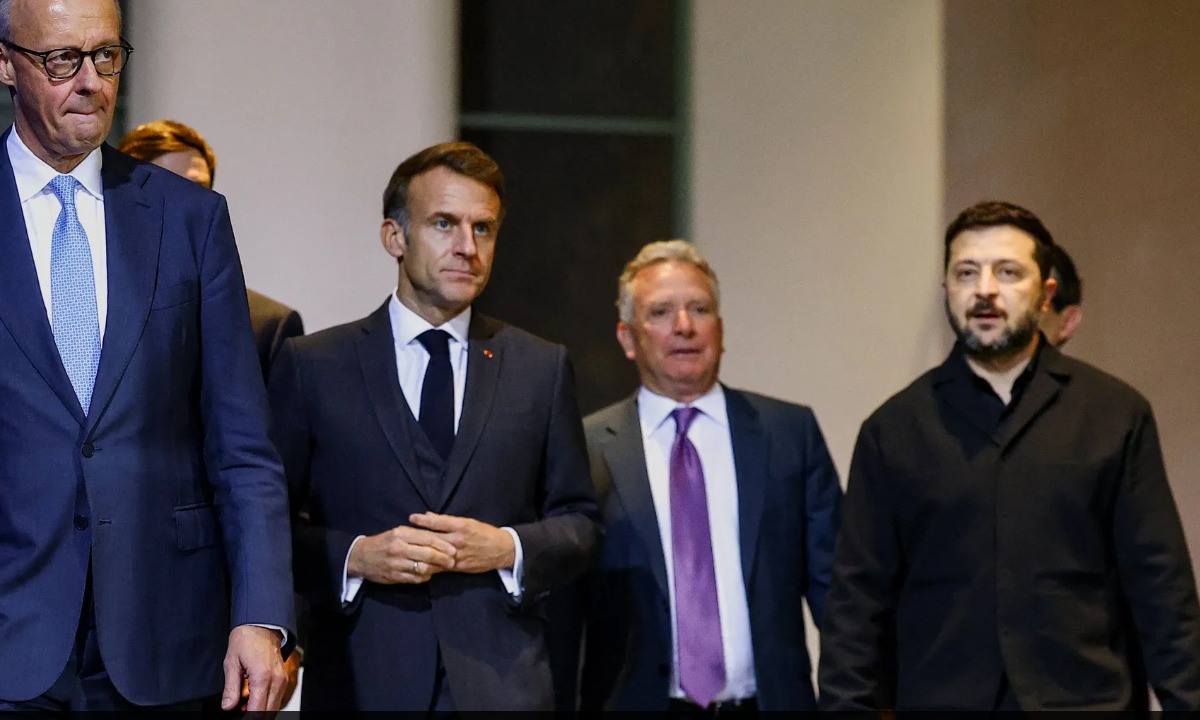
French President Emmanuel Macron has urged Western allies to reconsider Ukraine’s potential membership in NATO, calling for stronger security guarantees and sustained military assistance as European leaders seek a greater role in negotiations aimed at ending the war.
Berlin, 20 November 2026: French President Emmanuel Macron has called for renewed discussions on Ukraine’s possible accession to the North Atlantic Treaty Organization (NATO), stressing the importance of strengthening international efforts to protect Kyiv and ensure its long-term security.
Speaking during a meeting of the Coalition of the Willing in Berlin on Thursday, Macron urged Ukraine’s allies to intensify their support and provide the country with the resources necessary to defend itself.
The discussions brought together representatives from approximately 30 countries, with Germany, France and the United Kingdom taking leading roles in coordinating European support for Ukraine.
Ukrainian President Volodymyr Zelenskyy attended the meeting alongside US representatives Jared Kushner and Steve Witkoff, as diplomatic efforts to explore a possible settlement continue.
European Leaders Seek a Stronger Role in Peace Negotiations
The Berlin gathering focused on coordinating international positions regarding potential peace negotiations, future security guarantees and financial assistance for Ukraine.
European leaders are seeking to strengthen their participation in diplomatic discussions that have largely centred on Ukraine, Russia and the United States.
Macron’s proposal to revisit Ukraine’s NATO membership reflects continuing debate over the country’s long-term security arrangements and the role of Western institutions in any future settlement.
Ukraine has long sought closer integration with NATO, viewing membership as a potential safeguard against future military threats.
However, the issue remains politically sensitive, with alliance members holding different views on the conditions and timing of possible accession.
Berlin Talks Follow Trilateral Summit in China
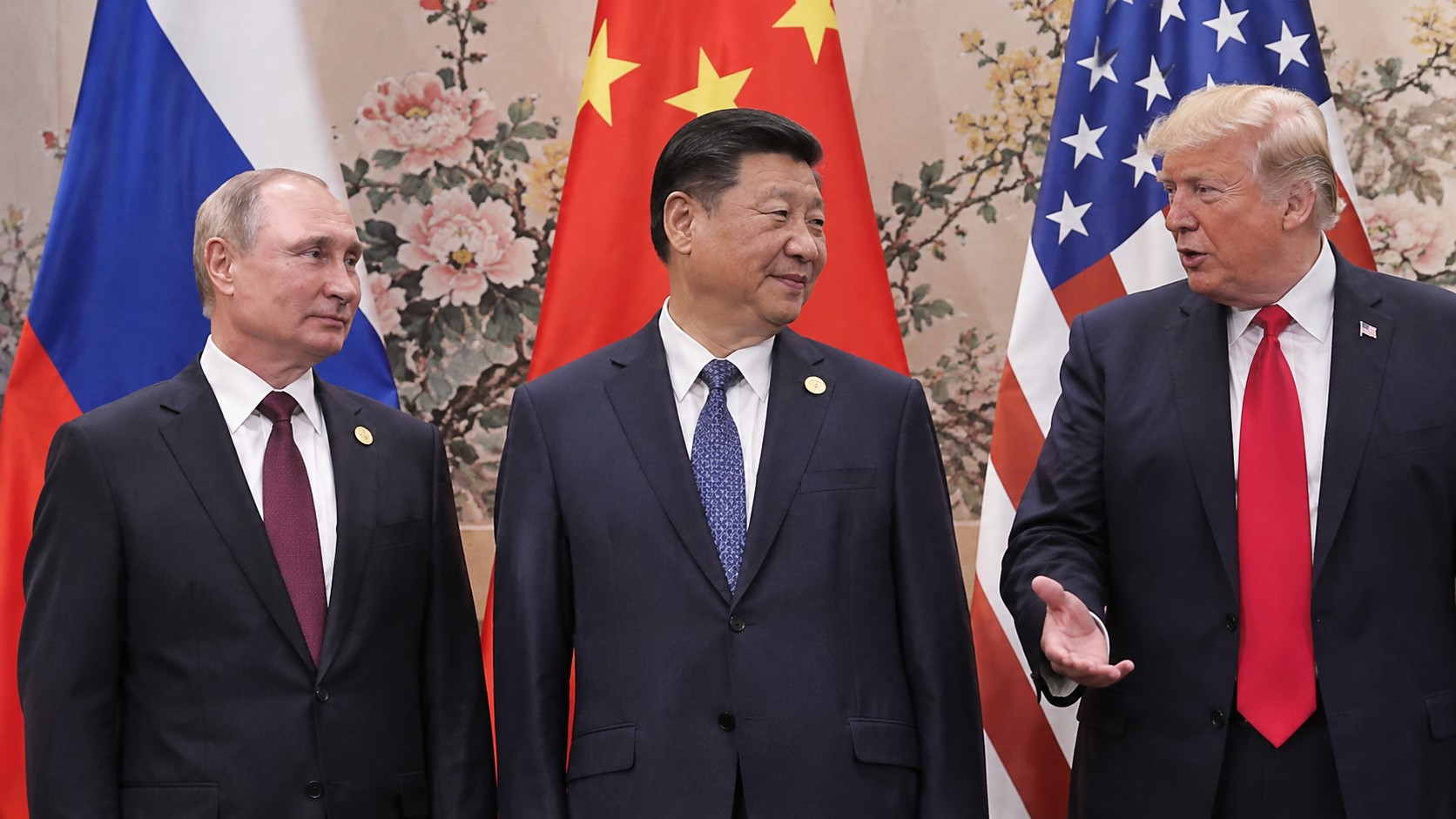
According to the report, the Berlin meeting took place just hours after a trilateral summit in Shenzhen, China, involving US President Donald Trump, Russian President Vladimir Putin and Chinese President Xi Jinping.
The discussions in China reportedly addressed several major international issues, including the conflict in Ukraine and broader questions of global security.
Following the summit, US representative Jared Kushner said in a statement on X that he had briefed German Chancellor Friedrich Merz on Trump’s discussions in China and ongoing efforts to achieve a just and lasting peace in Ukraine.
The developments highlight the increasingly complex diplomatic environment surrounding the conflict, with European governments seeking to ensure that their security interests are represented in negotiations over Ukraine’s future.
Russia Rejects Military Cooperation Between Ukraine and Europe
Moscow’s position remains a major obstacle to reaching a comprehensive agreement.
According to the report, President Vladimir Putin indicated that European officials had been invited to Moscow for preliminary discussions that could potentially pave the way for their participation in the negotiating process.
At the same time, the Russian president reiterated Moscow’s opposition to military cooperation between Ukraine and European countries as part of any agreement intended to end the war.
The contrasting positions illustrate the difficulties facing negotiators as they attempt to reconcile Ukraine’s security requirements with Russia’s stated conditions for a settlement.
For European governments, the challenge lies in developing security arrangements capable of supporting Ukraine while maintaining a viable diplomatic framework.
Military Assistance and Air Defence Remain Priorities
Alongside diplomatic discussions, the Berlin meeting addressed the practical requirements of sustaining Ukraine’s defence capabilities over the coming year.
Participants examined potential financial commitments and military assistance, with particular attention to strengthening Ukraine’s air defence systems.
Protecting cities, energy facilities and critical infrastructure remains a central concern as continued attacks threaten essential services and civilian communities.
The United Kingdom has also announced an additional package of military assistance, including 1,000 long-range drones for Ukraine.
According to the announcement cited in the report, some of the unmanned aircraft are capable of conducting operations over distances exceeding 1,000 kilometres.
The proposed assistance reflects European efforts to maintain Ukraine’s defensive capabilities while diplomatic initiatives continue.
Ukraine’s Security Future Remains at the Centre of European Diplomacy
Macron’s renewed call to consider Ukraine’s NATO membership places one of the most sensitive issues in European security back on the diplomatic agenda.
Any potential agreement to end the war would need to address not only the immediate cessation of hostilities but also the broader question of how Ukraine’s sovereignty and long-term security could be protected.
For European leaders, this includes determining the nature of future security guarantees, the extent of military assistance and the role of NATO in the region’s post-war security architecture.
The Berlin discussions also underscore the importance European governments attach to maintaining a direct role in decisions that could reshape the continent’s security landscape.
As diplomatic efforts continue, the future of Ukraine’s relationship with NATO remains a central question. Macron’s proposal reflects the broader challenge facing European leaders: balancing the pursuit of a negotiated settlement with the need to establish credible, lasting security arrangements for Ukraine and the wider European region.