













Where is global capital moving and why is the UAE in focus?
Back To Main Page: UAE News
The global wealth landscape is entering a new phase. Traditional financial centers remain influential, but new destinations are emerging where investment opportunities, talent, technology and quality of life converge.
Capital is no longer simply moving from one market to another. Increasingly, it is flowing toward ecosystems that combine growth opportunities, stability, infrastructure and a clear long-term vision. The UAE is one of the most visible examples of this transformation.
From Traditional Financial Centers to New Capital Hubs
For decades, global wealth was concentrated in financial capitals such as London, New York, Geneva and Singapore. Today, Dubai, Abu Dhabi, Riyadh, Miami and other fast-growing hubs are attracting entrepreneurs, family offices, investors and companies seeking access to international markets.
The UAE benefits from its position between Europe, Asia and Africa, its global transport connectivity, business infrastructure and rapidly expanding investment ecosystem.
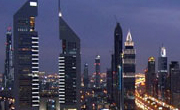
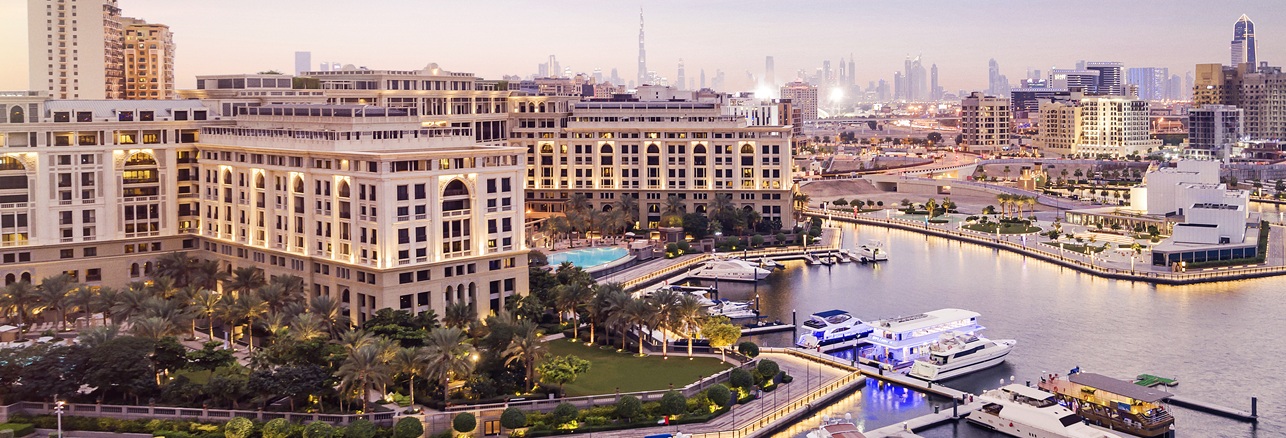
Dubai, in particular, has evolved from a regional trading center into a global platform for finance, real estate, technology, luxury and innovation. Abu Dhabi is strengthening its position as a major center for institutional investment, sovereign capital and emerging industries.
The scale of this shift is reflected in private wealth migration. According to the Henley Private Wealth Migration Report 2025, the UAE was projected to record a net inflow of 9,800 millionaires in 2025 — the largest projected inflow worldwide.
The ise of Entrepreneurial Capital
An increasing share of new wealth is being created by entrepreneurs, technology founders, investors and innovators. Artificial intelligence, fintech, renewable energy, biotechnology and digital infrastructure are becoming important sources of wealth creation.
The UAE is positioning itself at the intersection of these trends, seeking to attract companies, investors and entrepreneurs that want to build and scale businesses from the region.
Technology is already reshaping the investment landscape. In UBS’s 2026 Global Entrepreneur Report, 61% of surveyed entrepreneurs identified AI as the technology offering the greatest commercial opportunity for their industries.
This shift is changing not only where wealth is created, but also where entrepreneurs choose to establish their businesses, access capital and build international networks.
Real Estate becomes a strategic asset
Real estate remains an important destination for global capital, particularly in the UAE. But its role is changing.
Investors are increasingly looking beyond residential property toward hospitality, logistics, healthcare, technology-enabled buildings, infrastructure and projects linked to broader economic growth.
Dubai illustrates this shift. Its real estate market is closely connected to tourism, international business, retail, population growth and the wider economy. As a result, property is increasingly viewed as part of a broader investment ecosystem rather than simply as an asset to own.
The strategic question is therefore no longer only whether a property will appreciate in value. It is whether the economic ecosystem surrounding the asset will continue to generate demand.
Technology and the Digital Transformation of Wealth
Technology is changing not only how wealth is created, but also how it is managed. Artificial intelligence, digital banking, blockchain and advanced analytics are reshaping financial services and investment strategies.
The UAE has made digital transformation and AI national priorities. Its Digital Economy Strategy aims to increase the contribution of the digital economy to GDP from 9.7% in 2022 to 19.4% within ten years, while the UAE’s AI strategy seeks to position the country as a leading destination for AI investment and applications.
For investors, this creates a broader opportunity: technology is no longer a standalone sector, but an increasingly important layer across finance, healthcare, real estate, logistics and other parts of the economy.
A New Generation of Wealth Holders
The next generation of wealth holders is also influencing investment priorities. Younger investors tend to be more globally connected and digitally oriented, while many are placing greater emphasis on entrepreneurship, innovation, sustainability and impact alongside financial returns.
The trend is visible in UBS research. Its 2026 Next Generation report found that 30% of surveyed next-generation family members are interested in sustainable and impact investing. At the same time, the broader UBS research on family offices shows that wealth preservation, diversification and long-term returns remain central to investment decisions.
This points to a broader definition of wealth: not simply the accumulation of financial assets, but the ability to create businesses, support innovation and generate long-term value.
Where Is Global Capital Heading?
Several interconnected factors are likely to shape the movement of capital over the next decade.
Innovation. Capital will continue to follow technologies capable of transforming entire industries.
Mobility. Investors and entrepreneurs will favor locations offering connectivity, infrastructure, security and opportunities for growth.
Sustainability. Long-term value creation will increasingly take environmental and social factors into account, although financial performance remains fundamental.
Human capital. Talent, knowledge and creativity are becoming increasingly important components of economic competitiveness.
Global connectivity. Some of the strongest opportunities will emerge where markets, cultures, capital and ideas intersect.
The UAE brings many of these factors together, reinforcing its role as an important platform for international capital.
A New Meaning of Wealth
The future of wealth is not simply about accumulating more capital. It is increasingly about positioning that capital within the right economic ecosystem.
Global capital is moving toward countries, industries and platforms that can support the next phase of economic growth. The rise of the UAE reflects this broader transformation: capital increasingly follows innovation, connectivity, talent and the ability to adapt to structural change.
The question is no longer simply, “Where is the money?” The more important question is: “Where are the ideas, people and opportunities that will create the next wave of value?”