


















Washington, Beijing and Moscow Move to Ease Global Diesel Shortages

Aviamost News – International News and Analysis
The United States, China and Russia are moving to increase refined petroleum production and exports in an effort to stabilise global energy markets, as diesel shortages and supply disruptions continue to create uncertainty across international fuel markets.
The coordinated timing of these efforts, although driven by each country's individual economic and strategic interests, reflects growing concern over the availability of refined fuels, particularly diesel, which remains essential to global transportation, industrial activity and supply chains.
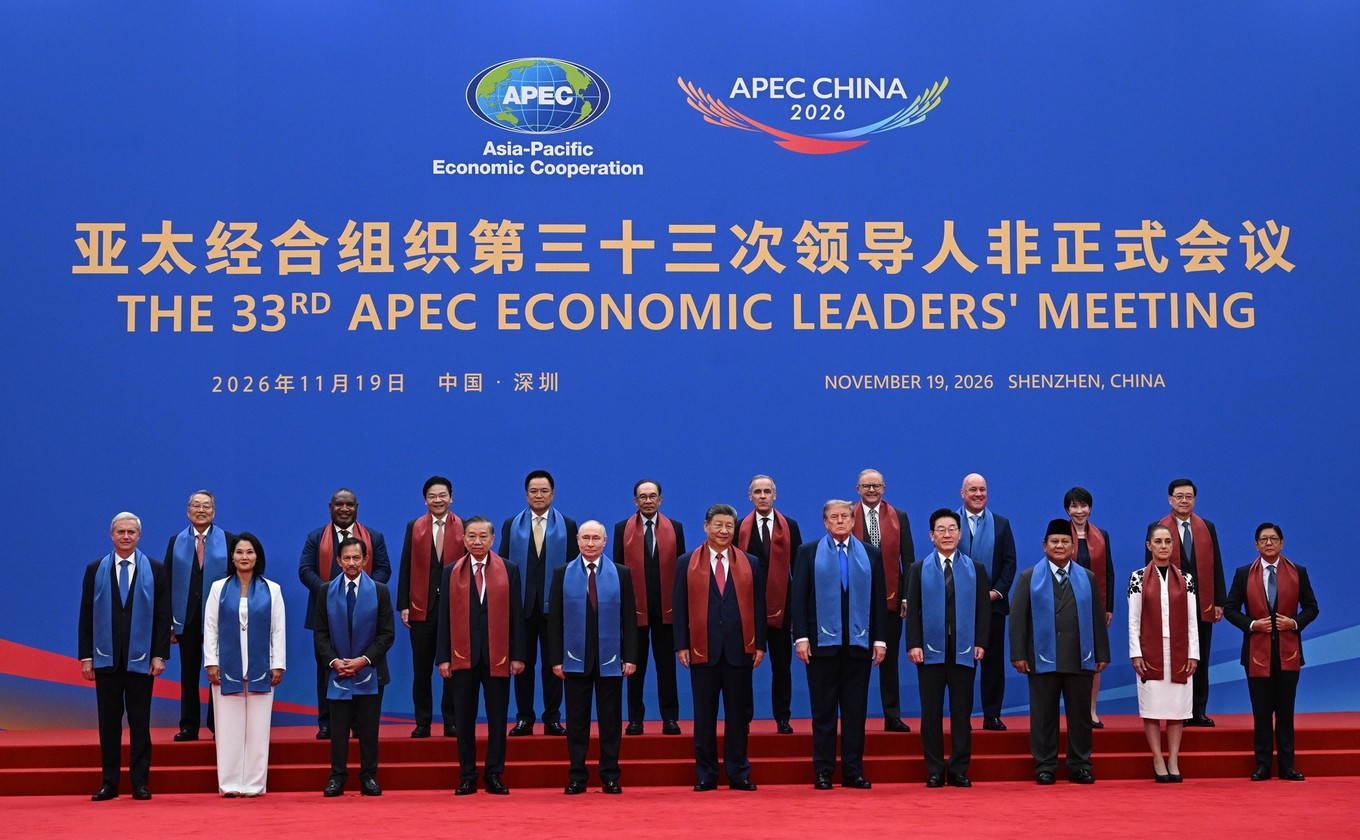
The issue was highlighted in a joint statement released following the trilateral summit bringing together Chinese President Xi Jinping, Russian President Vladimir Putin and US President Donald Trump in Shenzhen, China, on Thursday, 19 November 2026.
According to the statement, the three leaders emphasised the importance of maintaining stable energy flows and ensuring the availability of refined petroleum products to support international markets.
However, the announcement did not specify production targets, export volumes or a timetable for implementation.
Global Diesel Markets Face Mounting Pressure
Efforts to increase refined fuel production come at a time when international markets continue to face shortages of diesel and other petroleum products.
The conflict involving Iran has disrupted operations at several refineries in Russia and the Middle East, while shipping interruptions have complicated the movement of fuel supplies across international trade routes.
As three of the world's largest refining powers, the United States, China and Russia have the potential to influence global supplies of diesel, gasoline and aviation fuel through adjustments to refinery operations and export policies.
According to the International Energy Agency (IEA), global refinery throughput declined to approximately 81.3 million barrels per day in October, before an anticipated recovery to 84.7 million barrels per day in December as maintenance programmes conclude and crude oil availability improves.
The expected increase could help ease pressure on refined fuel markets, although the extent of its impact will depend on production levels, export decisions and geopolitical developments.
United States Plans to Increase Refinery Operations
In the United States, refinery crude intake reached approximately 16.6 million barrels per day in October, with operations expected to remain near that level throughout November before increasing in December following the completion of seasonal maintenance.
American refineries could benefit from stronger diesel refining margins, particularly as disruptions to Russian and Middle Eastern supplies have reduced the availability of fuel in international markets.
Higher refinery utilisation rates would allow US producers to increase output and potentially expand exports, helping address shortages in regions dependent on imported petroleum products.
However, the impact on global prices will also depend on domestic demand, transportation costs and the ability of international supply chains to absorb additional volumes.
China Considers Expanding Fuel Exports
China, another major player in global refining, is also positioned to contribute to additional supplies of refined petroleum products.
The country's refining system is currently operating at less than 80% of its capacity, leaving room for increased production if market conditions and government export policies allow.
Chinese authorities reportedly issued new export quotas amounting to approximately 5.7 million tonnes at the end of October, creating additional opportunities for refiners to supply international markets.
An increase in Chinese fuel exports could help alleviate shortages, particularly in Asian markets where diesel demand remains closely linked to manufacturing, logistics and commercial transportation.
Nevertheless, Beijing's decisions will likely continue to balance international market opportunities with domestic energy security priorities.
Russia Faces Challenges in Restoring Refinery Output
Russia, one of the world's major energy exporters, faces a more complicated situation.
Although Moscow has expressed its readiness to support international fuel supplies, its ability to increase refined petroleum exports remains constrained by disruptions affecting domestic refining infrastructure.
Repeated attacks on Russian refineries have damaged facilities and contributed to lower diesel production and exports in recent months.
Restoring refinery operations and maintaining stable export flows will therefore be essential to Russia's ability to contribute additional supplies to international markets.
The country's refining capacity, domestic fuel requirements and export policies will play an important role in determining how much additional diesel can reach global consumers.
Oil Prices Ease, but Diesel Remains Under Pressure
Despite a recent decline in crude oil prices from their October highs, the market for refined petroleum products remains under pressure.
Diesel prices, in particular, have stayed significantly above pre-conflict levels, reflecting continued supply constraints and uncertainty surrounding international fuel transportation.
The divergence between crude oil prices and refined fuel costs highlights the importance of refinery capacity and logistics in determining the final price paid by consumers and businesses.
While lower crude prices can reduce production costs, they do not automatically translate into cheaper diesel when refining capacity is limited or export routes remain disrupted.
For industries dependent on fuel, including aviation, shipping, manufacturing and road transportation, sustained diesel shortages could increase operating expenses and contribute to broader inflationary pressures.
Energy Cooperation Amid Geopolitical Uncertainty
The latest developments underscore the strategic importance of refined petroleum products in the global economy.
Although the United States, China and Russia maintain different geopolitical priorities, their respective efforts to increase refining activity could help improve international fuel availability.
The effectiveness of these measures will depend on several factors, including China's export quota decisions, Russia's ability to restore damaged refining facilities and the continued operation of American refineries at elevated utilisation rates.
Equally important will be the security of international shipping routes and the stability of energy infrastructure across regions affected by conflict.
As global energy markets navigate geopolitical tensions and shifting supply patterns, increased refining activity in Washington, Beijing and Moscow could offer some relief to diesel markets. Yet the prospect of lasting price stability will depend not only on higher production but also on secure trade routes, reliable infrastructure and the uninterrupted flow of refined fuels across international markets.
Editorial note: Adapted from the Al Mashhad material provided in the screenshots. The reported trilateral statement, refinery figures, export quotas and projections have not been independently verified and should be checked against official sources before publication.