

















Global ratings agency backs UAE’s resistance amid regional challenges
Back To Main Page: Economy and Business, UAE News
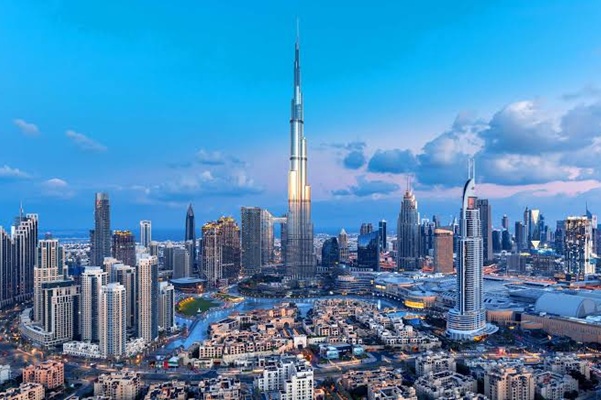
Despite heightened geopolitical tensions, the UAE's diversified economy, strong financial buffers, and robust infrastructure continue to support long-term growth and investor confidence.
The UAE economy is well positioned to navigate the challenges arising from the ongoing conflict involving Iran and broader regional tensions, according to a new report by S&P Global Ratings. While some sectors are undergoing a period of adjustment, the agency believes the country's strong economic fundamentals will support a gradual recovery and sustained long-term growth.
According to S&P, risks across the Gulf region are unevenly distributed, with the UAE remaining among the countries best equipped to withstand external shocks. The agency attributes this resilience to the nation's diversified economy, modern infrastructure, sound fiscal position, and substantial financial reserves. While the immediate operational impact of the conflict has begun to ease, S&P notes that uncertainty may continue to influence business sentiment and investment decisions in the near term.
The agency's base-case scenario assumes that disruptions in the Strait of Hormuz will diminish during the second half of 2026, allowing trade flows and economic activity to recover. S&P also highlights that the UAE, together with Saudi Arabia, Kuwait, and Qatar, maintains a "strong capacity to absorb shocks," reinforcing the region's overall economic resilience.
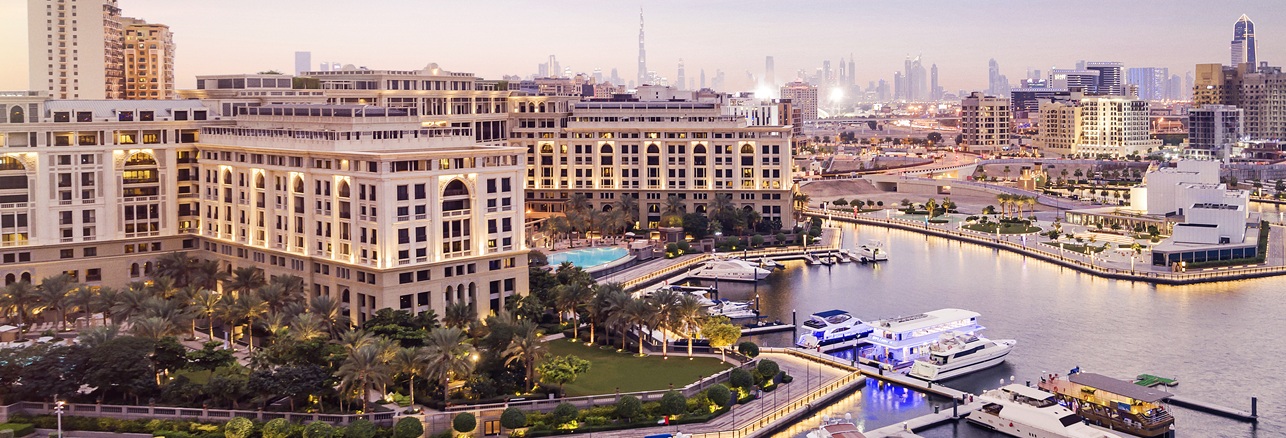
Among the sectors most immediately affected by regional tensions were tourism and aviation. Following an initial decline in hotel occupancy and passenger traffic, S&P expects both industries to regain momentum later this year. The agency forecasts that hotel occupancy will begin improving from the fourth quarter of 2026, supported by Dubai's world-class infrastructure, global connectivity, and continued appeal as an international tourism and business hub.
The UAE's real estate market is also transitioning to a more balanced phase after several years of exceptional growth. Although transaction volumes have moderated, price corrections have remained limited, reflecting sustained demand from international investors, businesses, and highly skilled professionals relocating to the country. Abu Dhabi, in particular, is expected to benefit from relatively balanced supply conditions and continued investor interest.
Beyond these sectors, several areas of the economy continue to demonstrate remarkable resilience. Healthcare remains supported by strong domestic demand and government investment, while telecommunications and utilities are expected to remain largely insulated from regional volatility due to their essential role in the economy. Construction activity also continues at a healthy pace, driven by major infrastructure and development projects across the UAE despite higher logistics and material costs.
The latest assessment from S&P Global Ratings underscores the UAE's ability to remain resilient in an increasingly complex global environment. Supported by prudent economic management, ongoing diversification, and long-term strategic investment, the country continues to strengthen its position as one of the region's most stable and attractive destinations for business, investment, and sustainable growth.