




















THE MIDDLE EAST ON EDGE: IRAN, THE UNITED STATES AND THE STRAIT OF HORMUZ
Military tensions, diplomatic calculations and the growing risks to global energy security
AVIAMOST News – International News and Analysis
The Middle East is entering another critical phase as tensions between Iran and the United States continue to shape the regional security landscape. While Washington appears to be weighing the possibility of holding back from further military strikes, developments around the Strait of Hormuz indicate that the confrontation remains far from resolved.
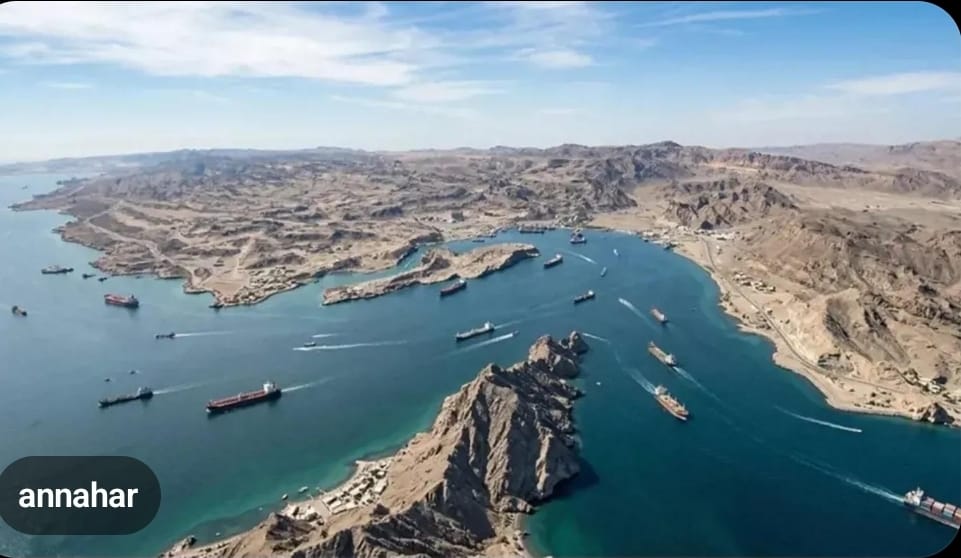
The strategic waterway, one of the world's most important energy corridors, has once again become a focal point of military and economic concern. Reports of explosions and fires involving oil tankers, combined with restrictions on maritime movement, have raised fresh questions about the security of international shipping and the stability of global energy supplies.
Washington weighs restraint as regional tensions persist
According to a Reuters report published on 14 November, US President Donald Trump has told senior advisers that he may refrain from launching further attacks against Iran, provided Tehran and the Iran-backed Houthi movement in Yemen do not initiate new provocations.
The reported position reflects the delicate calculations facing Washington as it considers its military options alongside the wider economic and diplomatic consequences of a renewed escalation.
Saudi Arabia and Türkiye have reportedly urged the American administration to exercise restraint and avoid further military action against Iran. Their diplomatic engagement reflects broader regional concerns about the consequences of an expanded confrontation, particularly for neighbouring countries and international trade.
Meanwhile, Israel is reportedly preparing for several possible scenarios involving renewed military engagement with Iran. These include responding to attacks, participating in a potential US-led operation or undertaking independent military action.
No new Israeli operation has been officially announced.
Strait of Hormuz: A growing concern for global energy security
The Strait of Hormuz remains at the centre of the unfolding crisis.
Connecting the Persian Gulf with the Gulf of Oman and the Arabian Sea, the waterway is a vital passage for international oil and liquefied natural gas shipments. Before the current conflict, approximately one-fifth of the world's oil and liquefied natural gas trade passed through this strategic corridor.
On 14 November, Iran's Revolutionary Guards Navy reported that three oil tankers had caught fire after striking naval mines in the Strait of Hormuz. Iranian statements alleged that the vessels were attempting to navigate routes that Tehran had declared unauthorised.
The claims have not been independently verified, and the Iranian authorities did not initially provide the names or nationalities of all the vessels involved.
Nevertheless, the reports have intensified concerns among shipping operators and energy markets.
According to shipping data reported by Reuters on 15 November, commercial traffic through the Strait slowed considerably over the weekend. Five commodity vessels were recorded crossing on Saturday, while none were registered on Sunday at the time of reporting. This compared with 31 recorded transits during the previous weekend.
The slowdown highlights the vulnerability of international maritime trade to military confrontation and uncertainty over navigation rights.
The United States maintains military options
Despite indications that President Trump may favour restraint under certain conditions, Washington has not ruled out further military action.
The United States continues to maintain a significant military presence in the region, while its naval blockade of Iranian ports remains an important element of its strategy.
US officials have also continued to emphasise that preventing Iran from obtaining a nuclear weapon remains a central objective.
The diplomatic challenge is therefore considerable: Washington must balance its security objectives with the risks of prolonging a conflict that has already affected regional stability, energy markets and maritime transportation.
For Tehran, control over maritime access and the future arrangements governing navigation through the Strait have become central elements of its position.
The Gulf states face a delicate regional equation
For the Gulf countries, the consequences extend well beyond military considerations.
The security of maritime routes is directly connected to economic stability, energy exports, international investment and confidence in the region as a global commercial centre.
The United Arab Emirates, Saudi Arabia, Qatar, Bahrain and Oman all have significant interests in maintaining secure navigation and preventing further regional escalation.
For the UAE in particular, the Strait of Hormuz is of strategic importance. The country's position as a major international trade, logistics and energy hub makes maritime security an essential element of its economic and national interests.
The latest developments also underline the importance of diplomatic engagement between regional powers and international partners.
Saudi Arabia and Türkiye's reported appeals for restraint demonstrate the continuing efforts by regional actors to prevent the confrontation from widening.
A critical moment for diplomacy
The developments of 14 and 15 November illustrate the difficult balance between military pressure and diplomatic engagement.
While the possibility of further US strikes remains uncertain, the situation around the Strait of Hormuz demonstrates how quickly regional tensions can affect international commerce and energy security.
The central question is no longer limited to the military relationship between Washington and Tehran. It concerns the future of maritime navigation, regional security arrangements and the economic stability of countries whose prosperity is closely linked to the free movement of international trade.
For the international community, the priority remains preventing further escalation and protecting essential maritime routes.
The coming days will be particularly important in determining whether diplomatic restraint can prevail or whether the region will face another phase of confrontation.
The Strait of Hormuz is more than a regional waterway. It is a vital artery of the global economy, and its security has consequences far beyond the Middle East.