



















US Envoys Meet Putin in Moscow Following Abu Dhabi Peace Talks on Ukraine
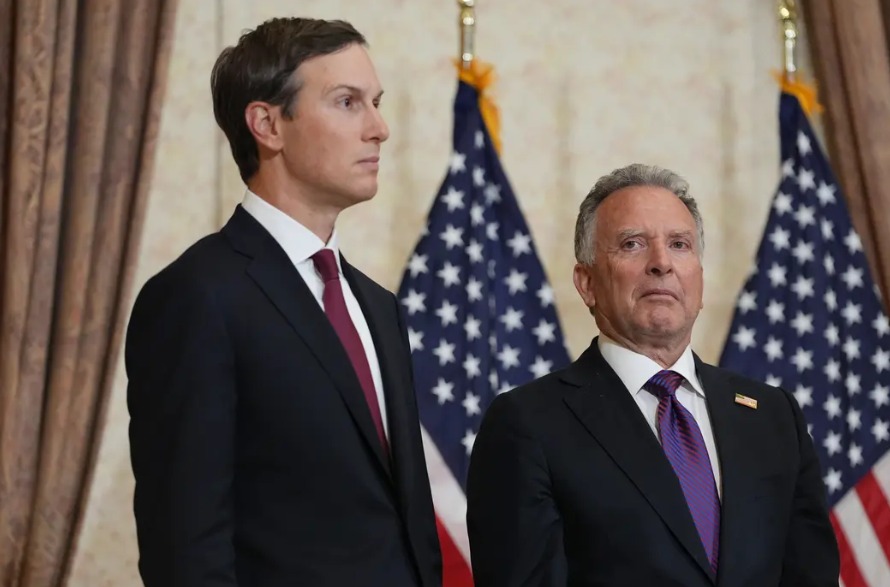
Jared Kushner and Steve Witkoff arrive at the Kremlin for high-level discussions with Russian President Vladimir Putin, as diplomatic efforts intensify following negotiations in the UAE capital and European leaders gather in Dublin to discuss the future of Ukraine and regional securit
November 12, 2026 – US envoys Jared Kushner and Steve Witkoff arrived at the Kremlin on Thursday for talks with Russian President Vladimir Putin, marking a new phase in diplomatic efforts to end the war in Ukraine following two days of negotiations in Abu Dhabi.
The visit comes amid renewed hopes of progress towards a political settlement, with both Washington and Kyiv acknowledging potential opportunities for further negotiations. However, significant differences remain over territorial issues, security guarantees and the future of Europe's defence architecture.
Kushner, the son-in-law of US President Donald Trump, and Witkoff, a businessman and senior American envoy, travelled to Moscow to review the outcomes of the trilateral discussions between Russia, Ukraine and the United States hosted by the United Arab Emirates earlier this week.
The meeting is expected to focus on advancing the proposals discussed in Abu Dhabi, identifying areas of potential compromise and exploring the next steps towards a negotiated settlement.
Speaking after the UAE-hosted talks, Kushner indicated that the discussions had revealed possible openings for progress, although several complex issues would require further consultations.
From Abu Dhabi to Moscow: A New Phase of Diplomacy
The meeting at the Kremlin follows two days of trilateral negotiations in Abu Dhabi, where the United States, Russia and Ukraine reached an understanding on a major humanitarian prisoner exchange.
Kushner described the proposed exchange as potentially the largest since the beginning of the conflict, while Ukrainian President Volodymyr Zelenskyy indicated that it could involve approximately 1,000 to 1,200 prisoners from each side.
Although the final details have yet to be confirmed, the development represents one of the most tangible outcomes of the diplomatic process.
Both Moscow and Kyiv have expressed willingness to continue negotiations, but major political and military differences remain unresolved.
Kushner acknowledged that the talks had helped identify areas where compromise might be possible, while emphasising the need for further discussions on more sensitive questions.
The progress achieved in Abu Dhabi has provided fresh momentum for the diplomatic process, placing the UAE capital at the centre of renewed international efforts to bring the parties closer to an agreement.
Zelenskyy Sees a Potential Window for Peace
Following their meeting with President Putin, the American envoys are expected to travel to Dublin, where President Zelenskyy is holding consultations with European leaders.
Arriving in the Irish capital on Wednesday evening, the Ukrainian president expressed cautious optimism about the possibility of advancing towards a peace agreement before 2027.
Zelenskyy emphasised the importance of the American delegation presenting concrete proposals to Moscow and returning with meaningful results.
While acknowledging his continued reservations, he indicated that the latest diplomatic contacts had created some grounds for hope.
The Ukrainian leadership maintains that any settlement must include credible security guarantees and that a ceasefire should precede negotiations on territorial questions.
Kyiv has also called for direct talks between Zelenskyy and Putin to address the most difficult issues, although the Russian president has so far rejected such a meeting.
European Leaders Gather in Dublin Amid Security Concerns
The Moscow discussions coincide with a major gathering of approximately 50 European leaders in Dublin, where the outcome of the Abu Dhabi negotiations is expected to dominate the diplomatic agenda.
European governments have expressed concern over proposals to reconsider the continent's broader security architecture as part of a potential settlement with Russia.
Moscow has called for a comprehensive review of European security arrangements, including NATO's role in Eastern Europe and the future of Western military support for Ukraine.
The United States has also explored the possibility of establishing a wider framework for post-war security discussions.
European officials, however, remain cautious about expanding negotiations beyond the immediate objective of ending the war.
Several EU representatives have argued that meaningful progress towards a ceasefire should precede discussions on the continent's long-term security arrangements.
The question of European participation has emerged as a significant point of disagreement.
Kushner has indicated that Washington intends to explore ways of bringing European representatives into the formal negotiating process.
Officials from the United Kingdom, France, Germany and Italy, as well as NATO and the European Union, attended consultations on the sidelines of the Abu Dhabi meetings.
Russia, however, has questioned the role of European governments in the negotiations.
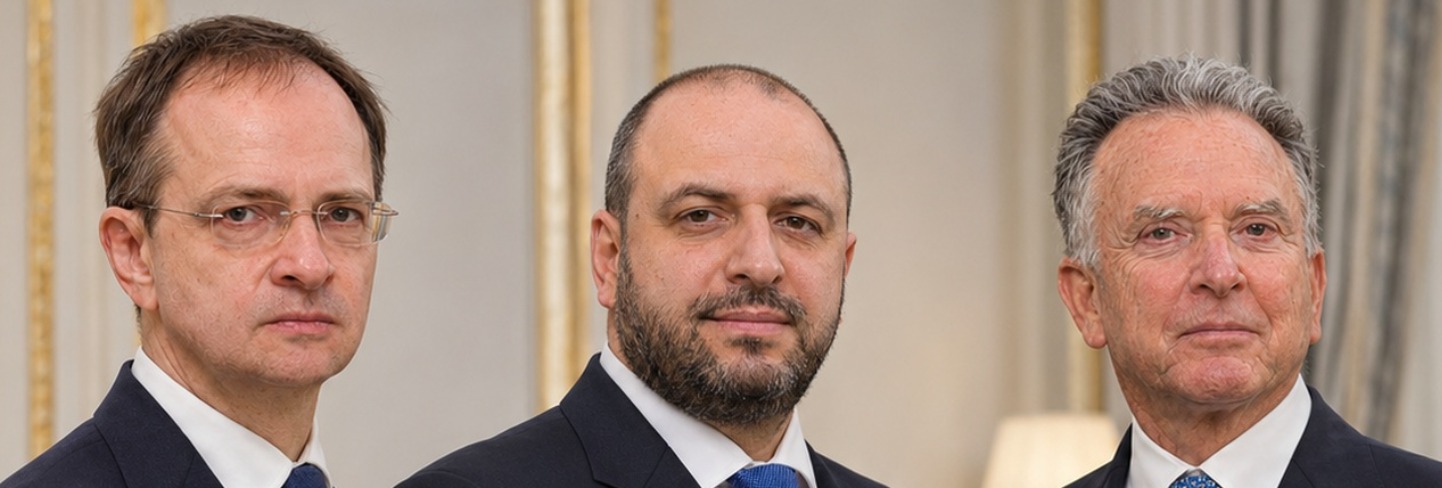
Vladimir Medinsky, head of the Russian delegation, stated that Moscow had not received concrete peace proposals from European countries and questioned the purpose of their participation in the current diplomatic format.
Moscow Calls for a Wider Security Settlement
Beyond the immediate conflict in Ukraine, Russia is seeking a broader understanding with Western governments concerning the future of European security.
Moscow has demanded that Ukrainian forces withdraw from parts of eastern Ukraine still under Kyiv's control and has called for a comprehensive settlement addressing what it considers the underlying security concerns that contributed to the conflict.
These demands include limitations on NATO's military presence in Eastern Europe and restrictions on Western military assistance to Ukraine.
In comments to Russian television, Medinsky referred to Moscow's ambition for a new strategic arrangement comparable to the historic Yalta Conference of 1945, when Allied leaders discussed the political and security arrangements of post-war Europe.
The reference highlights the scale of Russia's proposed negotiations, which extend beyond a ceasefire towards a broader redefinition of relations between Moscow and Western powers.
Ukraine has strongly opposed any arrangement that could compromise its sovereignty or allow major powers to determine its future without its consent.
These conflicting positions remain among the principal obstacles to achieving a comprehensive settlement.
Continued Military Escalation Tests Diplomatic Momentum
Despite renewed negotiations, military operations have continued, underscoring the fragility of the diplomatic process.
Overnight Russian strikes reportedly hit a residential building in Kyiv, killing one person, as attacks on Ukrainian cities and infrastructure continue ahead of winter.
In St Petersburg, a car bomb explosion killed a Russian soldier, the latest in a series of incidents targeting military personnel inside Russia.
President Zelenskyy also reported fresh restrictions affecting the Starshield satellite internet service, which plays an important role in Ukraine's frontline communications.
The developments highlight the continuing humanitarian and security pressures facing both sides as diplomatic discussions proceed.
Since Russia launched its full-scale military offensive in February 2022, the war has resulted in hundreds of thousands of casualties and displaced millions of people, while extensive areas of eastern and southern Ukraine have suffered severe destruction.
The persistence of military operations during diplomatic negotiations illustrates the considerable challenges that remain in translating political dialogue into a sustainable cessation of hostilities.
Abu Dhabi's Diplomatic Role Gains Further Significance
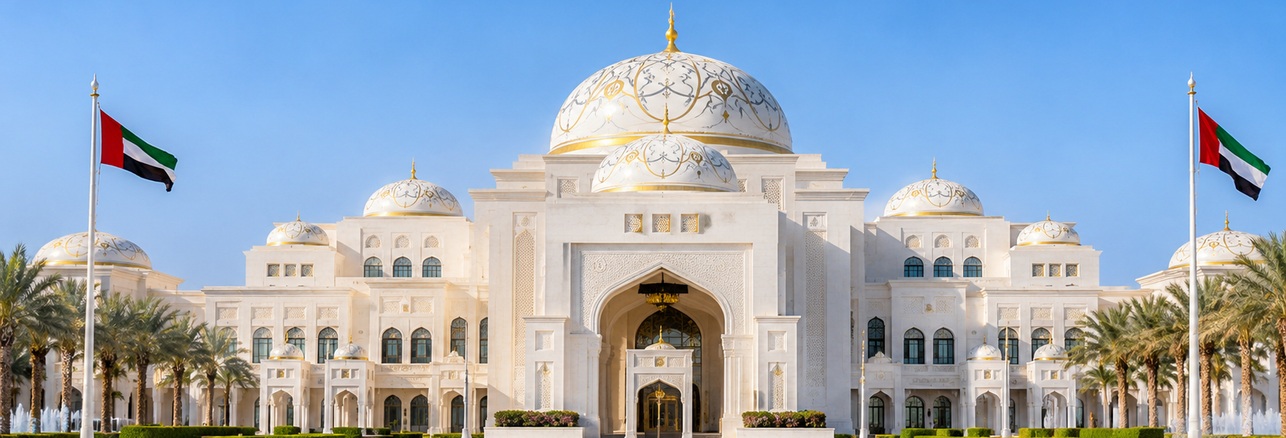
The latest developments underline the importance of the negotiations hosted by the United Arab Emirates, which brought together senior representatives of Russia, Ukraine and the United States at a crucial moment in the conflict.
The Abu Dhabi meetings created an opportunity for direct communication between the parties and produced progress on humanitarian measures, particularly the proposed prisoner exchange.
The subsequent movement of American envoys from the UAE capital to Moscow, followed by planned consultations with Ukraine's leadership in Dublin, demonstrates how the Abu Dhabi discussions have become part of a wider international diplomatic process.
The UAE's role as host reflects its commitment to facilitating dialogue and providing an environment for constructive engagement between countries with differing political positions.
A Critical Moment for International Peace Efforts
The meeting between the American envoys and President Putin represents another important stage in efforts to determine whether the diplomatic progress achieved in Abu Dhabi can develop into a broader political settlement.
While Washington sees potential opportunities for agreement, Kyiv remains focused on obtaining security guarantees and preserving its sovereignty, and Moscow continues to press for wider strategic concessions.
European governments, meanwhile, are seeking to ensure that any future security framework reflects their interests and includes their participation.
The outcome of the Kremlin discussions and subsequent consultations in Dublin may provide a clearer indication of whether the parties can move beyond preliminary understandings towards concrete agreements.
For now, the diplomatic process remains open, with the prisoner exchange agreement offering a potential humanitarian breakthrough while the most difficult political and territorial questions await resolution.
As international attention shifts from Abu Dhabi to Moscow and Dublin, the coming negotiations will test whether renewed diplomatic engagement can create a viable path towards ending one of Europe's most devastating conflicts since the Second World War.
Based on AFP reporting