













Первый пассажирский поезд Etihad Rail из Дубая прибыл в Абу-Даби
Первый пассажирский поезд Etihad Rail из Дубая прибыл в Абу-Даби
В среду, 30 сентября, началась новая глава в истории межэмиратских перевозок: первый регулярный пассажирский поезд Etihad Rail из Дубая прибыл в Абу-Даби. Поезд отправился со станции Al Yalayis в районе...
Среда, 30 сентября, 2026
Папа Римский предостерег человечество от бесконтрольного развития технологий
Папа Римский предостерег человечество от бесконтрольного развития технологий
Папа Римский Лев XIV предупредил об опасностях искусственного интеллекта (ИИ) в начале своего четырехдневного визита во Францию. Выступая с широким обращением к представителям Католической церкви и французских властей в Елисейском...
Воскресенье, 27 сентября, 2026
Unique Persona открывает новый сезон красоты в Дубае
Unique Persona открывает новый сезон красоты в Дубае
1 октября 2026 года Unique Persona проведет The New Beauty Season – флагманское мероприятие бренда сезона 2026/2027, которое объединит клиентов, партнеров и лидеров индустрии вокруг нового подхода к красоте, в...
Воскресенье, 27 сентября, 2026
Куда движется мировой капитал и почему ОАЭ в центре внимания?
Куда движется мировой капитал и почему ОАЭ в центре внимания?
Мировой рынок частного капитала вступает в новый этап. Традиционные финансовые центры сохраняют свое влияние, однако всё заметнее становятся новые направления, где сочетаются инвестиционные возможности, талант, технологии и высокое качество жизни....
Четверг, 24 сентября, 2026Рестораны и бары
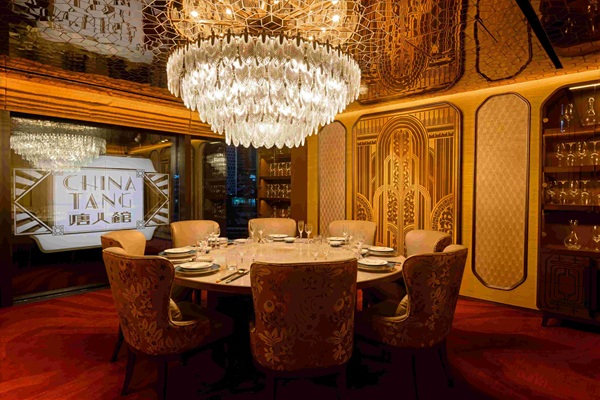
Новое прочтение искусства кантонской кухни в China Tang Dubai
Новое прочтение искусства кантонской кухни в China Tang Dubai
China Tang Dubai в The Lana Promenade, Dorchester Collection, приглашает гостей насладиться изысканной кантонской кухней. От неспешных бранчей по выходным и деловых обедов до элегантных частных ужинов и встреч у...
Среда, 16 сентября, 2026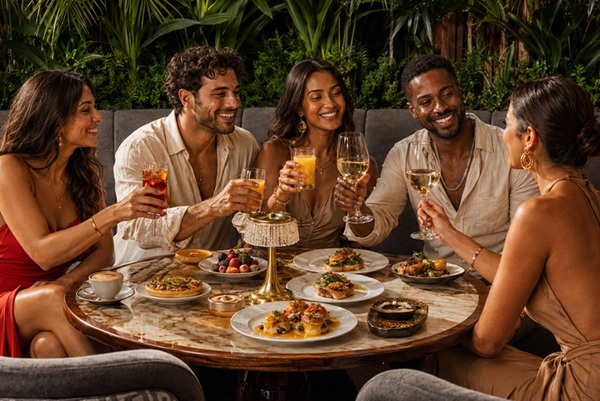
ZEA представляет воскресный бранч Mestizos со средиземноморскими и латиноамериканскими вкусами
ZEA представляет воскресный бранч Mestizos со средиземноморскими и латиноамериканскими вкусами
Новый еженедельный бранч стартует 30 августа и объединит меню в формате sharing, безлимитные напитки, живые выступления и after-party в DIFC. Для тех, кто любит проводить воскресенье за хорошей едой, напитками...
Четверг, 27 августа, 2026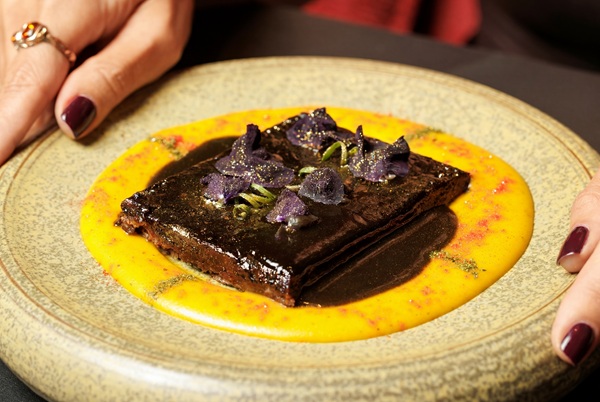
AMARU Dubai представляет латиноамериканский бранч Amigos
AMARU Dubai представляет латиноамериканский бранч Amigos
Новый формат субботнего отдыха в самом сердце Souk Madinat Jumeirah объединяет латиноамериканскую кухню, авторские коктейли и яркую музыкальную программу. В AMARU Dubai субботы станут ещё более насыщенными с запуском Amigos...
Понедельник, 27 июля, 2026