


















Dubai and Abu Dhabi Rank Among the World’s Top Five Destinations for Family Tourism
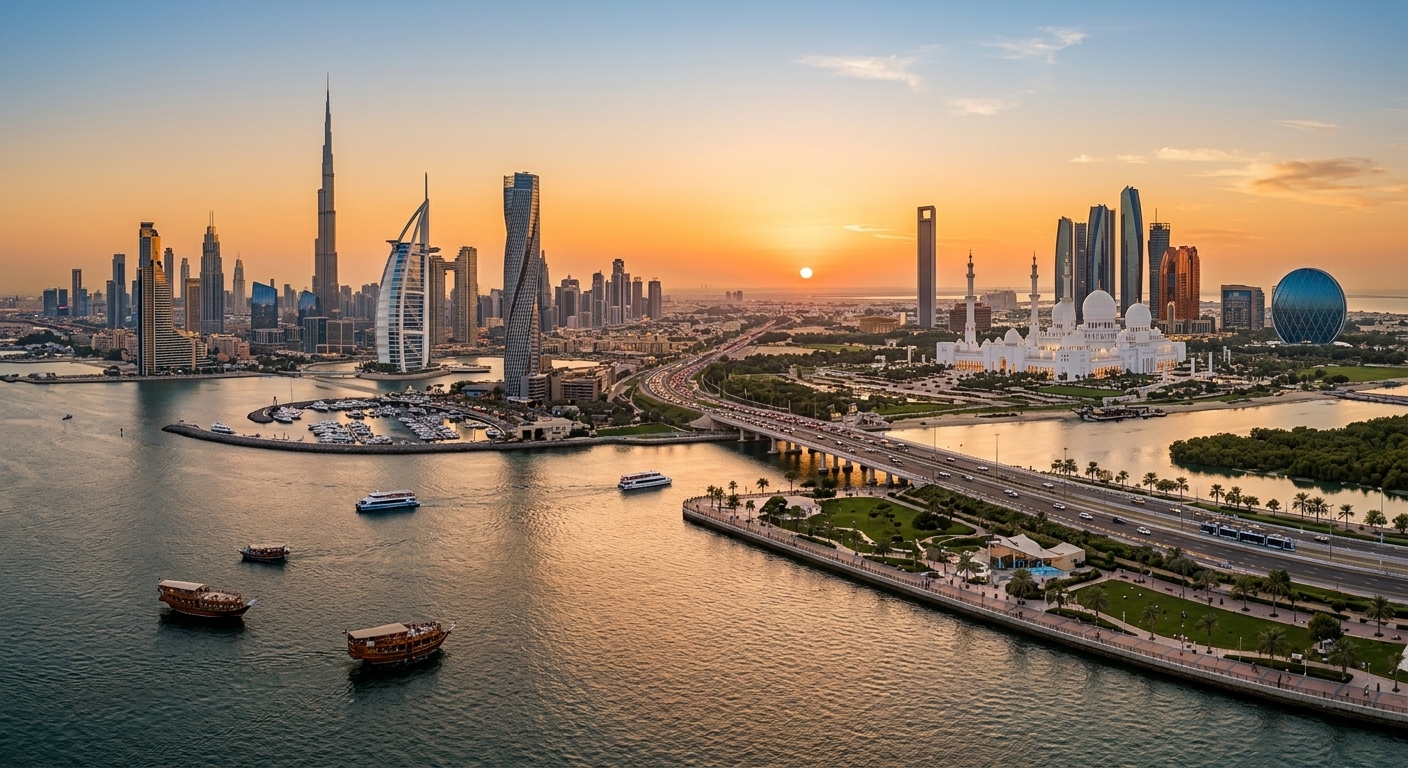
Dubai ranked second globally, scoring 6.5 out of 10, while Abu Dhabi secured fifth place with a score of 6.1, sharing the position with South Korea’s capital, Seoul. The UAE cities outperformed several prominent international destinations, including Osaka, Hong Kong and Singapore.
The ranking evaluated 50 major cities worldwide across 14 indicators, assessing their ability to provide safe, comfortable and welcoming environments for families travelling with children. Tokyo topped the list with 6.8 points, followed by Dubai, while Kuala Lumpur ranked third with 6.4 points and Osaka placed fourth with 6.3 points.
The strong performance of both UAE cities reflects their achievements across several key categories, particularly public safety, the availability of family-friendly accommodation and the range of attractions and activities suitable for younger visitors.
UAE cities lead global safety rankings
Dubai and Abu Dhabi jointly secured first place in the study’s Cities’ Safety Index, each recording a score of 88.7, based on safety data from Numbeo. Both cities ranked ahead of all other destinations included in the assessment.
Japan’s Kyoto followed in third place with 85.8 points, while Taipei ranked fourth with 83.5 points and Munich recorded 78.4 points.
The index considers various aspects of public safety, including crime levels and incidents of theft, vandalism and assault. The results highlight the UAE’s strong position as a destination offering secure environments for residents and international visitors alike.
Abu Dhabi ranks second for child-friendly attractions
Abu Dhabi achieved second place globally in the category of child-friendly attractions and activities, with 29.6% of the attractions assessed classified as suitable for children, representing 34 destinations.
The capital ranked ahead of Kuala Lumpur, which recorded 28.7%, while Orlando in the United States led the category with 38.5%.
Dubai secured eighth place, with 20.2% of its attractions considered suitable for children, representing 86 attractions and activities. The findings reflect the emirate’s diverse offering of family-oriented entertainment, leisure and tourism experiences.
Dubai among the most affordable cities for hotel stays
Dubai also performed strongly in the accommodation affordability category, ranking third globally among cities offering the lowest average hotel rates. The average nightly cost stood at €53 (approximately $59.10).
Bangkok topped the ranking with an average rate of €35 per night, followed by Kuala Lumpur at €47. Shanghai ranked fourth, with an average of €71.
The study further highlighted Dubai’s extensive selection of family-friendly accommodation. The emirate recorded 642 establishments classified as suitable for families, placing it third globally after Tokyo, with 1,290 establishments, and Kuala Lumpur, with 1,145.
14 indicators underpin global assessment
Radical Storage's ranking examined 50 of the world's most populous cities using 14 indicators grouped into three main categories to determine their suitability for family tourism.
The assessment drew on data from Booking.com to compare hotel prices, average guest ratings and the availability of family-friendly accommodation. It also incorporated Numbeo's Safety Index, healthcare access indicators and traveller reviews to evaluate the proportion of attractions and activities suitable for children.
Each city received a score ranging from one to 10 in each category, based on its performance against the other destinations. The individual scores were then combined to establish the overall ranking, with all indicators assigned equal weighting.
The latest results further strengthen Dubai and Abu Dhabi's international positioning as family-friendly destinations, supported by their safety standards, hospitality infrastructure and diverse leisure and entertainment offerings.