










Russian Women in Dubai: How to stay balanced in uncertain times
In a world where the pace of life accelerates every day and the flow of information never pauses, the ability to maintain inner stability has become one of the most valuable qualities of modern living. Today, resilience is no longer an abstract idea, but an essential life skill – one that directly influences our health, emotional well-being, clarity of thought, and ability to move forward with confidence even in times of uncertainty.
Stress has become an inseparable part of modern life, quietly shaping everything from sleep quality and energy levels to emotional balance, focus, and mental clarity. From a neuropsychological perspective, stress is far more than a temporary reaction to external pressure – it is a complex physiological and emotional process that directly affects the nervous system.
When tension builds over time, it can lead to emotional overload: a state in which a person feels internally exhausted, even while appearing composed on the outside.
Women often experience this pressure especially intensely, balancing simultaneously multiple roles, responsibilities, ambitions, and emotional demands.
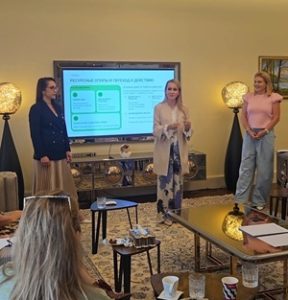
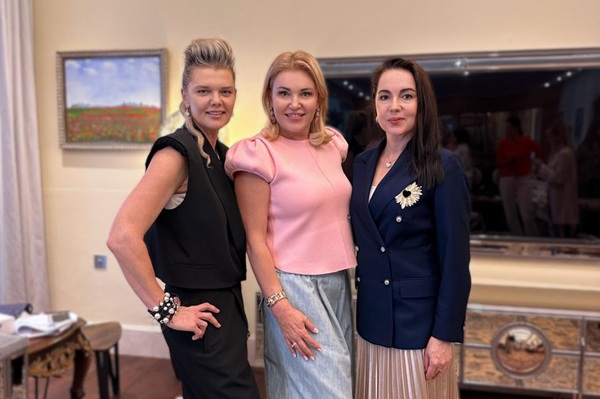
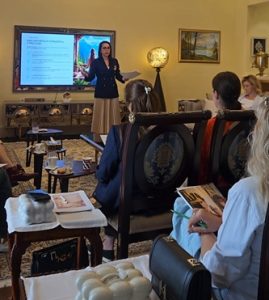
As conversations around mental resilience and emotional well-being continue to gain global attention, professional discussions dedicated to stress management and psychological balance are becoming increasingly important. One such dialogue recently took place at an event hosted by the Russian Women Association in Dubai, bringing together experts from the worlds of psychology, wellness, business, beauty, and the creative industries to share their perspectives on resilience, recovery, and emotional strength.
To better understand the mechanisms behind stress, the causes of emotional exhaustion, and the practical tools that help restore inner balance, we spoke with psychologist Dr. Irina Nadzhib.

According to Irina Nadzhib, true resilience cannot be found in changing external circumstances.
“Stability does not exist somewhere outside of us – it lives within us and in our actions,” – she explains. “You cannot escape yourself by changing locations, routines, or environments. Resilience begins when a person stops avoiding difficult emotions and starts engaging with life more consciously.”
She believes anxiety should not be viewed as an enemy, but as a signal that can be transformed into purposeful action.
“When people help others, participate, create, and contribute, they regain their inner balance and sense of support,” she says.
Speaking about periods of crisis and uncertainty, Nadzhib emphasizes the importance of structure, communication and clarity.
“Clarity comes from building structure through knowledge, projects, conversations, and human connection. When the world feels chaotic, it becomes especially important to create meaning through your own actions. Crisis is not a pause in life but often a point of transformation where new opportunities emerge.”
Participants of the Russian Women Association in Dubai also shared the practices that help them maintain emotional stability in a fast-paced world.

Yulia Podgornaya, founder of the premium beauty salon chain UNIQUE PERSONA, spoke about the psychological impact of cold immersion therapy.
“For me, an ice bath is not simply a physical challenge, it is a practice of emotional control. The moment you enter cold water, you face resistance. But instead of avoiding stress, you learn to regulate your reaction to it. Cold strips away chaos and reveals your pure response. If you can remain calm there, you can remain calm in life.”

Neurocoach and Alpha Rhythm specialist Guzel Dilmukhametova highlighted the growing importance of emotional self-regulation in modern society:
“Psychological resilience is one of the key skills of the 21st century,” she says. “It is not about suppressing emotions, but about consciously managing your internal state. Working with alpha brain rhythms helps reduce stress and cortisol levels, accelerate recovery, and improve cognitive flexibility. When a person learns to manage their state, they gain clarity, resilience, and the ability to make accurate decisions even under constant pressure.”

Choreographer, ballet teacher, and co-founder of the Russian stand-up comedy community Facepalm Comedy, Elena Egorova, believes that emotional balance begins with the body.
“Today, it is no longer enough to wait for joy – we must consciously create it in everyday life. The body and mind are deeply interconnected. Movement releases accumulated tension, while laughter restores a sense of lightness and emotional safety. Dance, physical expression, and humor are not merely forms of entertainment – they are powerful therapeutic tools that help restore energy and reduce stress.”

Natalia Konyakhina, co-founder of the Russian Social Club and the intellectual game platform IQ ON, emphasizes the importance of daily structure and supportive relationships.
“Psychological resilience is not an innate quality; it is a skill developed through consistent daily practices. Movement and breathing techniques can quickly help regulate the nervous system. Reducing information overload, establishing simple rituals, and maintaining a structured day all contribute to a sense of grounding. Equally important are the people around us – a supportive environment has a direct impact on our emotional state.”
She also stresses the importance of allowing vulnerability.
“The goal is not to be strong all the time. Vulnerability is normal as long as a person remains connected to themselves and their body.”

For entrepreneur and founder of the fashion brand Satiss Dubai, Kamila Magomedova, aesthetics and personal style also play an important psychological role.
“Clothing is not only about fashion – it can become a tool for emotional resilience,” she says. “Conscious shopping restores a sense of control, activates the dopamine system, and creates a new emotional state through personal image. When a person chooses what they wear, they often reshape how they perceive themselves. That shift can reduce stress, strengthen confidence, and create momentum for positive change.”

Essential oils specialist Anastasia Moskotina shared how sensory rituals help maintain emotional balance in her daily life.
“Essential oils are one of my everyday tools. They help not only with stress reduction, but also improve sleep, support energy levels, and enhance overall well-being.”
Chef trained at Le Cordon Bleu and curator of gastronomic concepts Leyla Dzhumakulyeva offered perhaps one of the strongest reflections on modern resilience.
“I do not wait for stability – I create it myself,” she says. “Life can be unpredictable, but my greatest support comes from maintaining inner balance regardless of external circumstances. I try not to panic, I realistically assess my abilities, and I preserve clarity of thought even during periods of complete uncertainty.”
Human Connection as the Foundation of Mental Health
Aviamost magazine also spoke with Kristiana Maxion, founder of the MAXION app, who believes that psychological well-being in 2026 is directly connected to the quality of human relationships.

“In times of instability, balance is sustained not only through habits or stress management techniques, but through people,” she says. “Loneliness intensifies anxiety and exhausts both the mind and body, while genuine human connection reduces tension, restores energy, and creates a sense of stability.”
There is no single formula for emotional balance. Every person finds their own methods, rituals, and sources of support. Yet one conclusion becomes increasingly clear: resilience is not an inborn trait and not the result of perfect circumstances. It is built through everyday choices, habits, relationships, movement, creativity, awareness, and self-connection.
Perhaps the most important realization of all is this: resilience is not about avoiding stress. It is about learning how to engage with it consciously, not withdrawing from life, but participating in it more fully, consistently, and intentionally.