





















US Seeks Lasting End to Russia-Ukraine War as Trilateral Talks Begin in Abu Dhabi
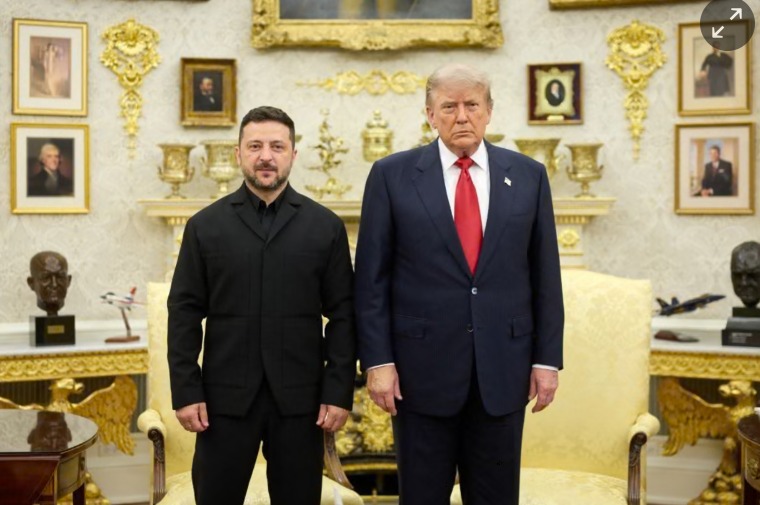
The discussions come at a critical juncture for the Trump administration, following joint US-Israeli strikes against Iran and domestic political setbacks for President Donald Trump after the midterm elections.
A key element of Washington’s proposal is the development of a new long-term security framework between Russia and Europe. US officials have indicated that the initiative could include stronger security arrangements, improved military transparency and measures to reduce the risk of future escalation.
European governments, however, remain concerned that Moscow could use the negotiations to revive longstanding demands for NATO to reduce its military presence in eastern Europe. Such concessions, they fear, could undermine regional security and leave European allies more exposed to Russian influence.
Russia has repeatedly opposed NATO’s eastward expansion and called for changes to the European security order. In 2021, Moscow presented the alliance with a set of demands, including a halt to further expansion and a rollback of NATO's military presence to its pre-1997 positions. NATO rejected the proposals, and Russia launched its full-scale invasion of Ukraine less than a month later.
A US administration official said Washington believes Europe must be involved in efforts to secure a lasting agreement. The discussions could also explore reviving the NATO-Russia Council, suspended following Russia’s 2022 invasion of Ukraine, as well as the possibility of easing sanctions as part of a broader settlement.
US officials have also said that potential security guarantees for Ukraine, modelled on NATO’s Article 5 collective-defence principle, have been discussed with Moscow. The proposed arrangements could provide Kyiv with assurances similar to those enjoyed by NATO members, although the details and conditions remain unclear.
The proposal is expected to be discussed by European representatives from Germany, France, the United Kingdom, Italy and the European Union, who are due to meet US negotiators in Abu Dhabi. Their discussions will focus on the future security framework between Russia and Europe and ways to prevent further conflict.
European officials have expressed reservations about the initiative, stressing that existing international agreements already establish commitments to respect national sovereignty and territorial integrity. EU foreign policy chief Kaja Kallas said the central issue was Russia’s failure to honour those commitments.
The negotiations are also expected to address the territorial dimension of a potential peace agreement. Trump has suggested that Ukraine may have to make territorial concessions, while critics have warned that Washington and Moscow could reach an understanding without sufficient consultation with European leaders or Kyiv.
US officials have acknowledged the concerns surrounding the proposed framework, but argue that the existing security arrangements have failed to prevent the prolonged conflict. The administration says a new approach is needed to ensure that any agreement delivers a lasting end to the war rather than a temporary pause in hostilities.